
Golden tickseed
Bidens aurea (Aiton) Sherff
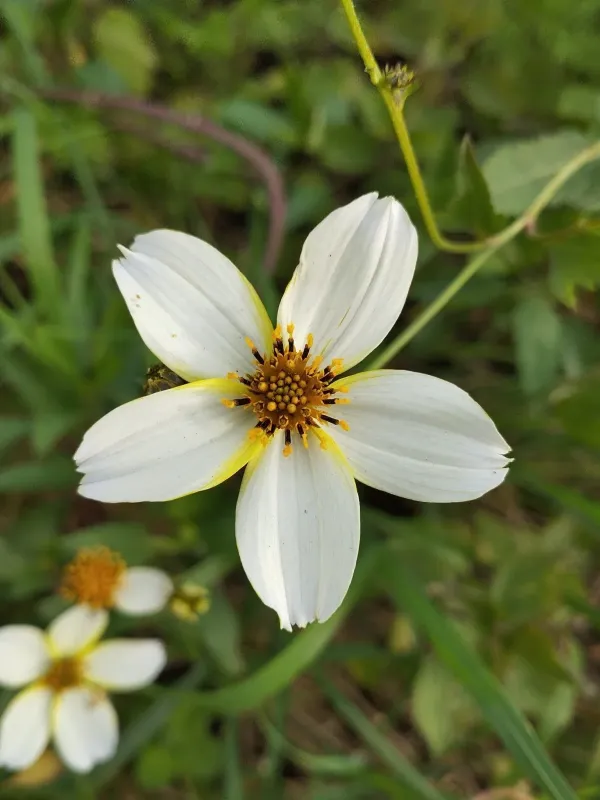
Description
Sowing dates
Golden tickseed (Bidens aurea) is a perennial herbaceous plant belonging to the Asteraceae family. Sowing is typically performed in the spring once soil temperatures reach 12–15 degrees Celsius.
For colder regions, starting seeds indoors is recommended. Sowing in seed trays during March allows plants to reach the necessary maturity for transplanting into open ground after the last frost.
Direct sowing in the garden requires a well-prepared seedbed free of perennial weeds. Seeds should be spaced adequately to allow for the plant's natural tendency to form dense, bushy clumps.
Seeds need to be covered with a light layer of soil, approximately 0.5 to 1 cm deep. Maintaining consistent moisture levels during the germination phase is essential for uniform emergence.
Proper scheduling of sowing ensures that the plant completes its vegetative phase before the peak heat of summer, which promotes better flower production in the late season.
Growing requirements
Bidens aurea thrives in locations with full sun exposure. While it can tolerate partial shade, maximum flowering and optimal health are achieved only with at least 6–8 hours of direct sunlight daily.
The plant performs best in light, fertile, and well-drained soils. Heavy clay soils that retain excessive moisture can lead to root rot and should be amended with organic matter or sand.
Regular irrigation is vital during the establishment phase and periods of drought. However, mature plants are somewhat drought-tolerant and should not be left in waterlogged conditions.
Fertilization with a balanced, slow-release fertilizer during the active growing season encourages lush foliage and prolonged blooming. Avoid excessive nitrogen, which can lead to weak, leggy stems.
Climate-wise, the plant prefers warm conditions. In temperate regions, it is often treated as an annual or overwintered indoors if the local winter temperatures drop below its cold tolerance threshold.
Yield
The productivity of Bidens aurea is measured by both the ornamental floral display and the potential harvest of medicinal leaf and flower material.
Regular deadheading of spent blooms is a standard practice to stimulate the plant's energy toward creating new buds, thereby significantly increasing the overall yield of flowers throughout the season.
When grown for herbal production, harvesting should be timed to coincide with the onset of the flowering stage, as this is when the concentration of beneficial phytochemicals is highest.
Plant density plays a key role in total biomass yield. Proper spacing allows for adequate air circulation, which prevents fungal issues and promotes stronger plant development.
As a nectar-rich plant, the golden tickseed is highly attractive to bees and beneficial insects, contributing to the biodiversity and productivity of the entire agricultural system.
Main diseases and pests
Powdery mildew is a common fungal threat to Bidens aurea, especially in areas with high humidity, poor air circulation, or overhead watering practices that leave foliage damp.
Aphids are the most frequent insect pests. They tend to congregate on the undersides of leaves and at the base of flower buds, potentially causing distortion and viral transmission.
Spider mites may also pose a problem during hot, dry spells. Keeping plants well-hydrated is a primary natural defense against mite infestations.
Crop rotation is recommended to prevent the buildup of soil-borne pathogens. Avoid planting Bidens in the same spot for more than three consecutive seasons.
Early identification of pest populations through scouting allows for targeted control using organic soaps or neem oil, preserving the beneficial insect population.
Harvesting
Harvesting the aerial parts of the plant is typically done during the peak flowering stage. Using sharp, sanitized garden shears ensures clean cuts that heal quickly.
Post-harvest processing involves drying the plant material in a cool, dark, and well-ventilated area to preserve color, fragrance, and chemical potency.
Once dried, the herbs should be stored in airtight containers away from direct sunlight to prevent degradation of volatile oils and active compounds.
For seed collection, wait until the seed heads turn brown and begin to dry naturally on the stem. Collect seeds carefully, as they can disperse easily if left too long.
Professional harvesting for industrial or nursery purposes is often mechanized, utilizing harvesters that cut the plants at the appropriate height above the crown to encourage regrowth.