
Bidens odorata
Bidens odorata Cav.
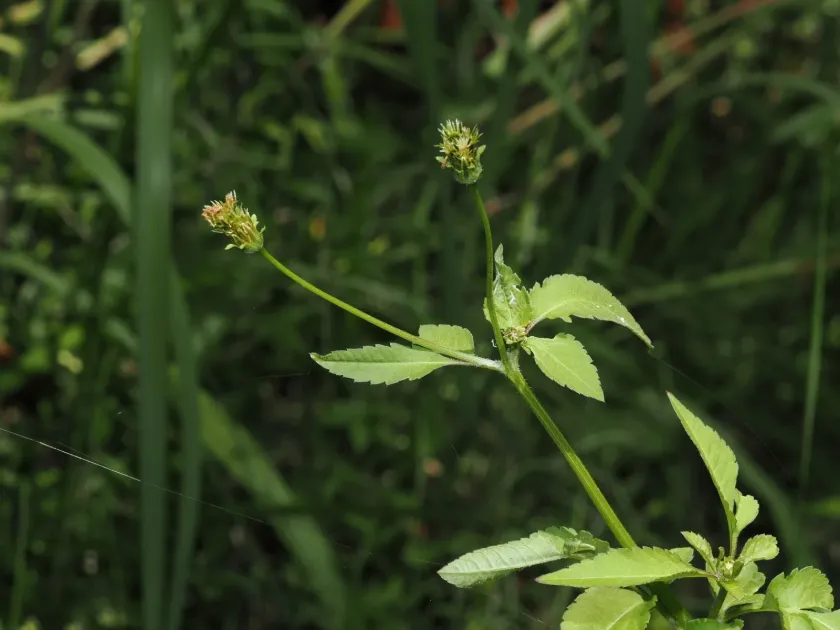
Description
Sowing dates
Sowing Bidens odorata should take place in the spring once the soil temperature reaches a consistent 12–15°C. The ideal planting window is late April or early May, depending on the regional frost schedule.
Seeds should be planted at a shallow depth of 1–2 centimeters. Because these seeds are light-sensitive, shallow placement ensures they germinate efficiently while maintaining sufficient contact with the soil moisture.
A seeding rate of 4–6 kg per hectare is recommended to achieve the desired plant density. Proper rolling of the soil post-planting helps to firm the seedbed, facilitating more uniform emergence across the field.
For areas with shorter growing seasons, starting the plants in greenhouses and transplanting them later is a viable strategy to ensure the crop reaches full maturity before the first autumn frosts.
Maintain row spacing between 45 and 60 cm to allow for efficient mechanical weed control and proper air circulation. This spacing is essential for the healthy development of the plant foliage and overall crop vigor.
Growing requirements
Bidens odorata is a heat-loving and sun-demanding species. It thrives in locations with full sunlight, which is critical for maximizing the accumulation of essential oils within the leaf tissue.
The crop prefers well-drained fertile soils, specifically loams or sandy loams, with a neutral pH. Avoiding waterlogged areas is crucial, as excess moisture can quickly trigger root decay and disease development.
Water management is vital during the early vegetative stage. While the plant shows moderate drought tolerance once established, consistent moisture levels significantly boost biomass production and overall harvest yield.
Fertilization programs should be tailored based on local soil tests. Nitrogen should be applied sparingly, while phosphorus and potassium are essential during the budding phase to support the production of aromatic secondary metabolites.
Optimal temperatures for development range from 20°C to 25°C. Keeping the field clean of weeds during the first month is paramount, as the plant is sensitive to competition from aggressive weed species in its early growth stages.
Yield
Commercial yields of Bidens odorata typically range from 15 to 25 tons of raw green mass per hectare. Higher yields are achievable in managed environments with precise irrigation and nutrient schedules.
Seed production yields generally range between 0.5 and 1.2 tons per hectare. To maintain high-quality seeds, farmers must harvest promptly once the seed heads reach maturity to prevent natural shedding.
Plant density management is the most important factor in optimizing yield. Ensuring a stand of approximately 100,000 to 150,000 plants per hectare strikes the balance between individual plant size and area productivity.
The quality of the yield is often measured by its aromatic oil concentration. Sunny, dry conditions during the final weeks before harvest usually result in a higher content of essential oils compared to cloudy or wet weather.
Implementing a crop rotation plan and choosing productive cultivars are necessary strategies for long-term yield stability. Avoiding continuous cropping in the same field prevents soil nutrient depletion and pathogen buildup.
Main diseases and pests
Powdery mildew is a common threat, especially in humid conditions or where planting density is too high. Improving air circulation by pruning and proper spacing is a primary method for managing this fungal infection.
Root rot, caused by various soil pathogens, frequently occurs when soil drainage is poor. Improving soil aeration through mechanical cultivation between rows can mitigate the risk of these diseases significantly.
Aphids and spider mites are the most prominent insect pests. They feed on the tender tips of the plants, causing leaf distortion and reduced growth rates, which can be managed with approved biological insecticides.
Occasional infestations of Lepidoptera larvae can damage the leaves, potentially reducing the quality of the harvested biomass. Monitoring and using targeted control methods are necessary to preserve the crop's integrity.
Preventive maintenance, including the removal of crop residues after harvest, helps reduce the population of overwintering pests and pathogens, keeping the field safe for future production cycles.
Harvesting
Harvesting is performed during the peak flowering stage when the concentration of essential oils is at its maximum. Waiting too long leads to the development of woody stems and a loss of desirable fragrance.
The green mass is harvested mechanically at a height of 10–15 centimeters from the ground. This allows the plant to remain healthy and encourages the development of regrowth if conditions are favorable.
The harvested material must be processed immediately to prevent spontaneous heating or fermentation. Freshly cut biomass should be transported to drying facilities without delay to maintain quality.
Drying occurs under controlled temperatures, usually not exceeding 40°C. Maintaining these low temperatures is essential for preserving the volatile compounds that give the plant its characteristic aroma.
Once dried, the product undergoes cleaning to remove dust and debris. Properly stored dried material keeps its aromatic profile for months if kept in a cool, dark, and dry environment.