
Bidens triplinervia var. macrantha
Bidens triplinervia Kunth var. macrantha (Wedd.) Sherff
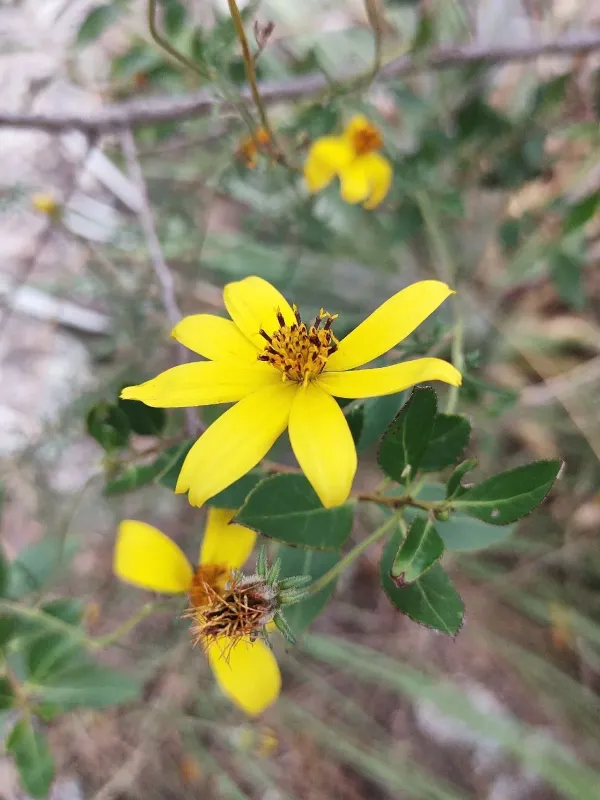
Description
Sowing dates
Sowing Bidens triplinervia Kunth var. macrantha is typically performed in late spring once soil temperatures reach a consistent 10–12°C. In regions with milder climates, mid-April is often selected as the optimal window.
Seeds require a period of cold stratification for 3–4 weeks at temperatures between +2°C and +5°C to break dormancy and ensure uniform germination. Sowing without this pretreatment often leads to sporadic and poor emergence.
The seeds should be sown in rows with a spacing of 45–60 cm to facilitate mechanical weeding and ensure adequate space for development. A shallow sowing depth of 1–2 cm is critical as the seeds are small and require light for optimal activation.
For earlier production, growers can start seeds in greenhouse trays in March, transplanting seedlings to the field after the final frost risk has passed. This technique significantly extends the potential harvest season.
Proper soil contact is essential during sowing, and light rolling of the seedbed is recommended after planting to prevent moisture loss and promote quick root establishment.
Growing requirements
This member of the Asteraceae family thrives in sunny locations with well-drained, nutrient-rich soils. A neutral to slightly acidic pH range of 6.0 to 7.0 is considered ideal for consistent biomass production.
Moisture management is a key factor in cultivation; while the plant is adaptable, steady soil moisture during the active vegetative growth phase is required to prevent early flowering and ensure high yield.
The site must be sheltered from heavy winds, which can damage the stems and flowers of this species. Organic amendments such as compost should be incorporated into the soil during pre-planting tillage to ensure sustained nutrient availability.
Optimal growth occurs at temperatures between 18°C and 24°C. In cooler areas, utilizing south-facing slopes can significantly improve the speed of development and increase the concentration of active chemical compounds.
Proper weed control is essential, especially in the first few weeks following germination, as the plant is sensitive to competition and requires clear space for its initial root and foliage development.
Yield
The expected yield of dried plant material ranges from 1.5 to 2.5 metric tons per hectare depending on site fertility and the intensity of crop management practices employed during the season.
High yields depend heavily on the timing of harvests; cutting the plants during the peak of mass flowering ensures the highest content of flavonoids and essential oils, which are the target compounds.
Using the large-flowered variety (var. macrantha) provides a yield advantage over smaller-flowered wild types, as the individual floral heads contribute significantly more mass to the total harvest.
Supplemental fertilization with phosphorus and potassium during the bud formation stage can effectively boost flower production and overall crop quality, leading to better market demand.
Regular monitoring for growth vigor helps in adjusting irrigation schedules, ensuring that the plant allocates energy to leaf and flower development rather than stress response mechanisms.
Main diseases and pests
The crop is prone to fungal infections, particularly powdery mildew, when high humidity levels coincide with poor ventilation in dense plantings. Regular spacing and adequate airflow are the best preventative measures.
Aphids and spider mites are the primary pests that can affect growth by feeding on succulent young tissue. Early detection and the application of biological control agents are recommended to minimize crop damage.
Root rot, caused by waterlogged soil, can lead to severe crop loss. Ensuring that field drainage is managed effectively before planting is essential for the long-term health of the stand.
Slugs and snails may damage emerging seedlings in wet conditions, requiring vigilance in the early spring months. Maintaining a dry surface layer around the plants can deter these pests effectively.
A systematic integrated pest management strategy, including crop rotation and field monitoring, is vital for maintaining the health of the plantation and preventing the buildup of disease pathogens.
Harvesting
Harvesting is conducted during the full bloom phase, ideally before seeds begin to ripen and dry. This timing ensures that the plant retains its maximum medicinal potency and aesthetic quality for the end product.
The harvest involves cutting the aerial parts of the plant at a height of approximately 15 cm above the ground. This allows for potential regrowth or simply ensures that only the high-value soft tissue is collected.
Immediately post-harvest, the material must be dried in a shaded, well-ventilated area or in mechanical dryers at temperatures not exceeding 40°C to prevent the degradation of volatile essential oils.
Care should be taken to prevent contamination with weeds or debris during collection. Clean, uniform batches of dried material command a higher value and meet pharmaceutical-grade standards.
The finished product should be stored in breathable, dry containers and kept in a moisture-controlled environment to maintain quality, prevent mold growth, and extend the shelf life of the botanical material.