
Three-veined beggar-ticks
Bidens triplinervia Kunth
Description
Growing requirements
Three-veined beggar-ticks (Bidens triplinervia) is a perennial herbaceous plant within the Asteraceae family. It is native to the high-altitude regions of the Andes in South America, specifically adapted to the unique ecological niches of countries like Colombia and Ecuador.
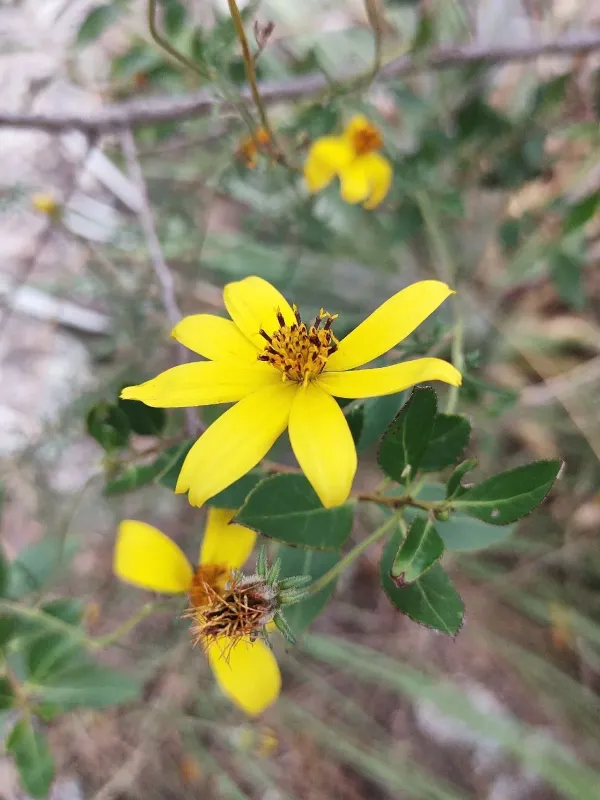
Botanically, the species is distinguished by its leaves, which feature three prominent veins, a trait reflected in its scientific and common names. The plant typically grows in a clump-forming habit, producing yellow daisy-like flower heads that are characteristic of the Bidens genus.
Regarding climate, the plant thrives in cool to temperate conditions. It prefers locations with filtered sunlight or partial shade, as extreme heat can significantly diminish the quality of the foliage and the concentration of secondary metabolites in the plant.
Soil requirements are centered on excellent drainage and moderate fertility. A well-aerated, loamy substrate with a neutral to slightly acidic pH is ideal for promoting healthy root development and biomass accumulation throughout the growing cycle.
Agricultural management requires consistent weed control and careful irrigation. While the species is relatively hardy once established, ensuring sufficient moisture during peak growth stages is essential for maximizing yield in commercial medicinal production.
Main diseases and pests
The plant is susceptible to common pests such as aphids and spider mites, which can proliferate quickly in dry environments. Implementing integrated pest management strategies is necessary to preserve the integrity of the harvestable plant parts.
Fungal diseases, particularly powdery mildew, represent the primary pathology risk. Adequate plant spacing is critical to maintain airflow and reduce humidity levels around the foliage, which effectively prevents the spread of these common fungal infections.