
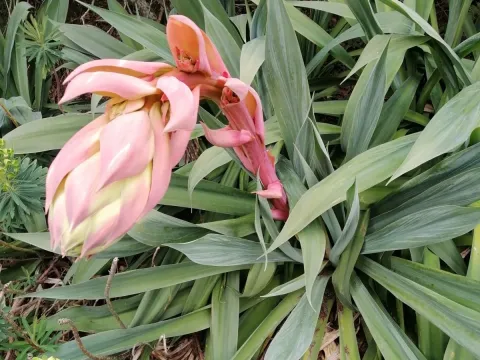
Beschorneria
Beschorneria
Beschorneria is a genus of evergreen perennial plants belonging to the family Asparagaceae. These plants are native to the mountains of Mexico, where they grow in rocky, well-drained soils at relatively high altitudes, which defines their ecological adaptability.
What the section contains


Beschorneria
The plant features a basal rosette of long, leathery leaves and produces an impressive, colorful inflorescence that can reach significant heights. In agricultural or horticultural settings, it is valued for its dramatic aesthetic appeal in arid landscapes and rock gardens.
Growth requirements necessitate a gritty, porous substrate that allows for rapid drainage. The soil pH should be neutral or slightly acidic. It is crucial to prevent waterlogging, as the fleshy root system is highly sensitive to hypoxia caused by excess moisture.
Climate needs involve full sun exposure or partial shade in hotter regions. While Beschorneria is moderately frost-hardy, tolerating brief dips below freezing, it thrives best in Mediterranean-style climates with mild, dry winters and warm, sunny summers.
Proper spacing is essential when planting outdoors to ensure optimal air circulation around the rosettes. In container cultivation, the plant requires a pot with wide drainage holes and a mix specifically formulated for succulents, ensuring minimal watering during the dormant winter phase.
The primary threat to Beschorneria health is root rot caused by stagnant water or excessively heavy soil. Once symptoms of decay appear at the base of the rosette, the plant is often difficult to save, making preventive moisture management paramount.
Mealybugs are the most persistent pests affecting this crop. They cluster in the leaf axils, sucking nutrients and weakening the plant's structural integrity. Regular scouting and immediate treatment with systemic insecticides are recommended to prevent infestations.
Scale insects can also infest the leaves, appearing as small, raised bumps on the surface. These should be treated with horticultural oils or insecticidal soaps, ensuring thorough coverage of all leaf surfaces to disrupt the pest's life cycle.
Fungal pathogens such as Botrytis may develop if humidity levels are too high and ventilation is inadequate. Keeping the foliage dry and providing sufficient space between plants is the most effective cultural practice to reduce fungal risk.
In addition to pests and diseases, environmental stress due to lack of sunlight can lead to etiolation, where the plant becomes leggy and weak. This physiological condition significantly increases the susceptibility of the plant to secondary infections and physical damage.