
Beschorneria pubescens
Beschorneria pubescens
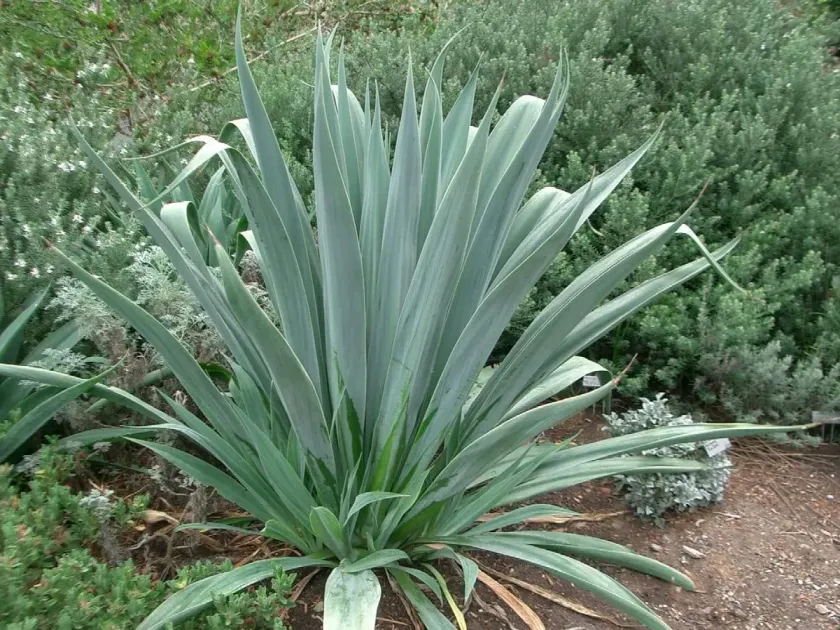
Description
Sowing dates
Propagation of Beschorneria pubescens is primarily achieved through seeds sown in early spring or by dividing offsets that grow around the base of the mature parent plant.
When using seeds, it is essential to use a well-draining, sandy potting mix and maintain a temperature range between 20 and 22 degrees Celsius for optimal germination.
The seeds should be covered lightly with substrate and kept moist but not waterlogged, as excess moisture can quickly lead to fungal growth and seed rot.
Vegetative propagation via offsets is generally faster and more reliable, allowing the gardener to obtain mature-looking plants with the same characteristics as the mother.
Young plants should be kept in bright, indirect light and gradually acclimatized to their permanent position to prevent stress and ensure robust root development.
Growing requirements
Beschorneria pubescens is a member of the Asparagaceae family, native to the mountainous regions of Mexico, where it thrives in rocky and well-drained soils.
The plant demands high levels of natural light to maintain its structural integrity; in low-light conditions, the rosettes may become weak and lose their characteristic shape.
Soil requirements are strict: the medium must be highly porous and inorganic-heavy, similar to mixes used for Agave or Aloe, to facilitate rapid drainage.
Watering practices must be seasonal: active growth in spring and summer requires consistent moisture, while winter necessitates a dry period to induce dormancy.
Temperature management is crucial; although it can tolerate minor fluctuations, it is not frost-hardy and should be brought indoors during freezing weather.
Main diseases and pests
The most significant threat to Beschorneria pubescens is root rot, which is almost exclusively caused by overwatering or poorly draining soil conditions.
Common pests that target this species include mealybugs and spider mites, which thrive in dry indoor environments if not properly managed or monitored.
Leaf spot diseases, caused by various fungal pathogens, can occur if water remains trapped between the leaves, leading to localized decay and potential plant decline.
Integrated pest management, including regular inspection and the use of insecticidal soaps, is highly effective if issues are caught in the early stages.
Maintaining good airflow around the plant is the best preventive strategy against both pests and fungal outbreaks, especially during the humid summer months.