
Beschorneria tubiflora
Beschorneria tubiflora
Description
Growing requirements
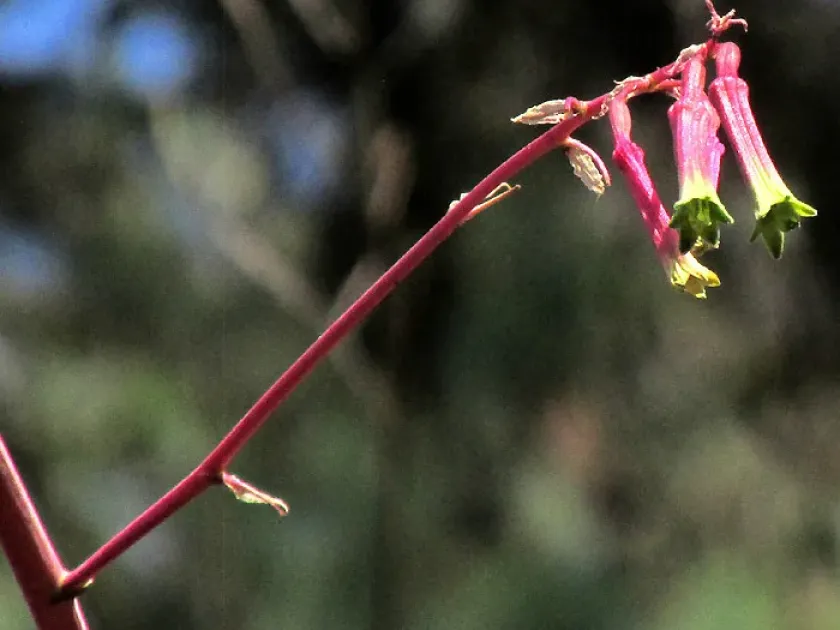
Beschorneria tubiflora is a perennial succulent belonging to the Asparagaceae family, native to the arid mountain regions of Mexico. It is widely recognized for its robust rosettes of sword-shaped leaves and its dramatic flower stalks that feature vibrant, tubular blossoms.
As a drought-tolerant species, this plant is well-adapted to environments with intense sunlight and porous soil. In horticultural practice, it requires a well-draining substrate typically composed of gravel, coarse sand, and a small amount of organic matter to mimic its natural habitat.
Light intensity is a critical factor for the development of Beschorneria. It thrives in full sun, which encourages the growth of sturdy leaves and ensures proper flowering during the warmer months of the year when conditions are ideal for its vegetative phase.
The climate requirements involve protecting the plant from prolonged frost and excessive winter humidity. While it can handle cool temperatures, it is generally grown in containers in non-tropical climates to allow for movement to a sheltered area during the winter.
Watering management is essential, as the plant stores moisture in its leaves. Over-watering is the most common error in cultivation. The soil should be allowed to dry out completely between waterings to prevent any physiological stress to the root system.
Main diseases and pests
The most significant pathological threat to Beschorneria tubiflora is root rot caused by poor soil drainage and stagnant water. Symptoms include soft, mushy leaf bases and an overall loss of vigor, often leading to sudden plant collapse.
Mealybugs are the primary pest concern for this species. These insects reside in the tight crevices of the leaf rosettes, making them difficult to detect until an infestation is well-established. They feed on plant sap and can weaken the specimen significantly.
Spider mites may infest the leaves during periods of low humidity, causing stippling or bleaching of the leaf surface. Frequent inspection and maintenance of proper humidity levels around the foliage are effective preventative measures.
Scale insects can also adhere to the tough leaves, creating small, hard bumps that sap the plant's vitality. Regular cleaning of the leaves and the application of horticultural oils or contact insecticides are recommended for control.
To maintain plant health, it is vital to ensure good air circulation around the rosette. Proper hygiene in the growing space helps to prevent fungal outbreaks and creates an environment where pests find it harder to thrive and multiply.