
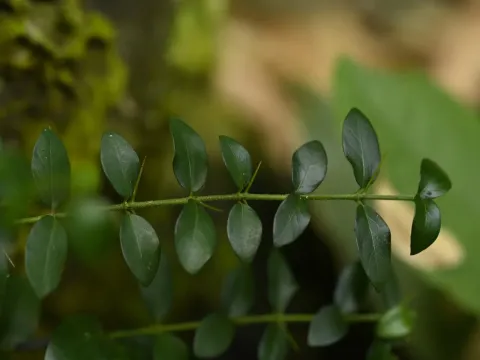
Benkara
Benkara
The sowing of Benkara is typically carried out during the spring months, ensuring that soil temperatures remain consistently above 20°C for optimal germination rates.
What the section contains

Benkara
Seeds of this culture often require specialized pre-sowing treatments, such as scarification or soaking, to overcome the physical dormancy of the seed coat.
Vegetative propagation using semi-hardwood cuttings is a common practice, providing a faster way to establish new crops while maintaining parental characteristics.
When starting from seeds, it is crucial to use a sterile, well-draining substrate to prevent dampening-off, a common issue in humid greenhouse environments.
Transplanting into the permanent growing site should only occur once the young plants have developed a robust root system and are capable of resisting minor environmental fluctuations.
Benkara belongs to the Rubiaceae family and thrives best in fertile, slightly acidic to neutral soils that offer excellent drainage and high organic content.
This crop demands a tropical or subtropical climate, as it is highly sensitive to frost and thrives in regions with stable, warm temperatures throughout the year.
High levels of solar radiation are required for vigorous growth, although young seedlings may benefit from light shading during the peak intensity of the midday sun.
Moisture management is key to successful production; the soil should be kept consistently moist but never waterlogged to avoid root rot and oxygen deficiency.
Strategic pruning is an essential part of the agricultural process, helping to maintain the desired plant structure and encouraging the development of new flowering branches.
Scale insects and mealybugs represent the primary pest threats for Benkara, as they feed on plant sap and can cause significant damage to young growth if uncontrolled.
Fungal infections, particularly root rot, are common in poorly drained soils and can quickly compromise the health of the entire plant population.
Leaf spot diseases, often caused by stagnant air and excessive humidity, can be mitigated by ensuring proper spacing between plants to maximize airflow.
Integrated pest management strategies, combining manual inspection with targeted systemic insecticides, are recommended for maintaining plant vigor.
Maintaining high sanitary standards in the nursery and the field is vital for preventing the spread of diseases via contaminated tools or infected planting material.