
Benkara malabarica
Benkara malabarica
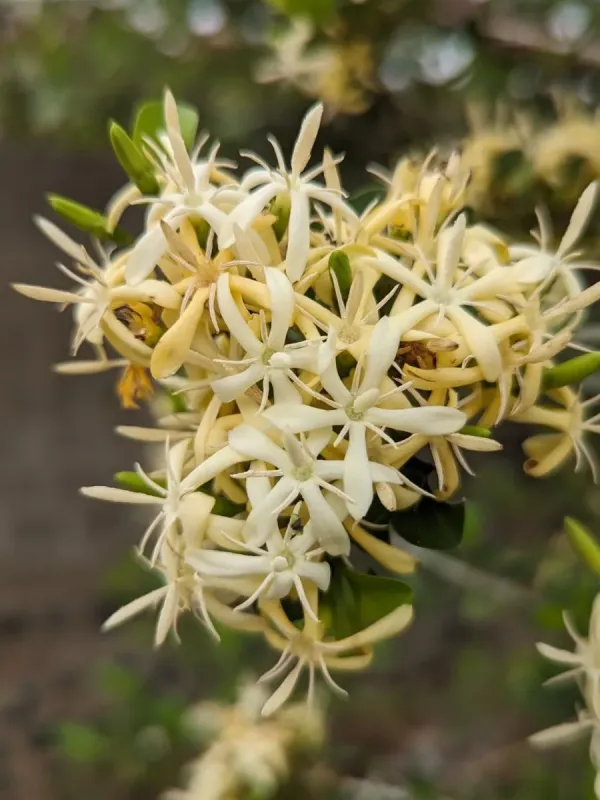
Description
Sowing dates
Benkara malabarica, a member of the Rubiaceae family, is a woody shrub typically found in tropical regions. It reproduces through seeds, which are naturally dispersed by local fauna in its native habitats.
For agricultural propagation, seeds require pre-sowing treatment, such as soaking in tepid water to soften the seed coat and improve germination rates. Sowing is best timed for the start of the wet season.
The substrate should be a well-draining, nutrient-rich mixture of loam, compost, and sand. Maintaining consistent soil moisture during the germination phase is critical for success.
Vegetative propagation via stem cuttings is also a viable method. Cuttings should be taken from semi-hardwood stems and rooted in a high-humidity environment to encourage root system development.
Transplanting should be performed once the root system is well-established, ensuring the plant is acclimated to environmental conditions before being moved to an open area.
Growing requirements
This species thrives in tropical climates characterized by warm temperatures and high relative humidity. It is sensitive to frost and cold drafts, necessitating protected cultivation in cooler regions.
Soil requirements focus on fertility and drainage. The plant prefers slightly acidic to neutral soils; excessive lime content should be avoided to prevent nutrient lock-out.
Regular irrigation is essential, especially during the active growth period. However, drainage must be sufficient to prevent waterlogging, as the roots are prone to oxygen deprivation.
Light levels should be balanced; while the plant enjoys sunlight, protection from harsh, direct midday heat is often necessary to prevent leaf scorch, especially in container-grown specimens.
Fertilization with balanced NPK formulas should be applied during the growing season to support the development of foliage and promote healthy root expansion.
Yield
The economic value of Benkara malabarica lies in its diverse applications, including traditional medicinal uses and potential use in the natural dye industry due to its chemical properties.
Harvesting is generally performed manually. The timing is crucial to ensure the concentration of desirable compounds in the leaves or fruits is at its maximum level before processing.
Systematic pruning is a key agricultural practice that helps maintain plant vigor and increases the yield of usable biomass. It also makes harvesting more efficient for labor teams.
Production cycles are influenced by regional climate patterns. In well-managed plantations, uniform growth is achieved through standardized fertilization and irrigation schedules.
The post-harvest handling involves drying or immediate extraction, depending on the intended final use, requiring specific equipment to maintain the quality of the raw material.
Main diseases and pests
Pest management primarily focuses on common greenhouse and tropical pests such as aphids, spider mites, and scale insects, which can severely impact plant vigor if left untreated.
Fungal pathogens, particularly root rot species, represent a significant threat. These are often triggered by poor soil aeration and excessive irrigation frequency.
Leaf spot diseases, caused by various fungal or bacterial agents, may manifest during prolonged periods of high humidity and limited air circulation around the canopy.
Integrated pest management (IPM) strategies, including the use of neem oil or biological antagonists, are recommended to maintain plant health while minimizing chemical residues.
Regular monitoring for early signs of infection or infestation allows for prompt intervention, preventing the spread of threats across the cultivated area.