
Hybrid begonia
Begonia x hybrida P. N. Don ex Burb.
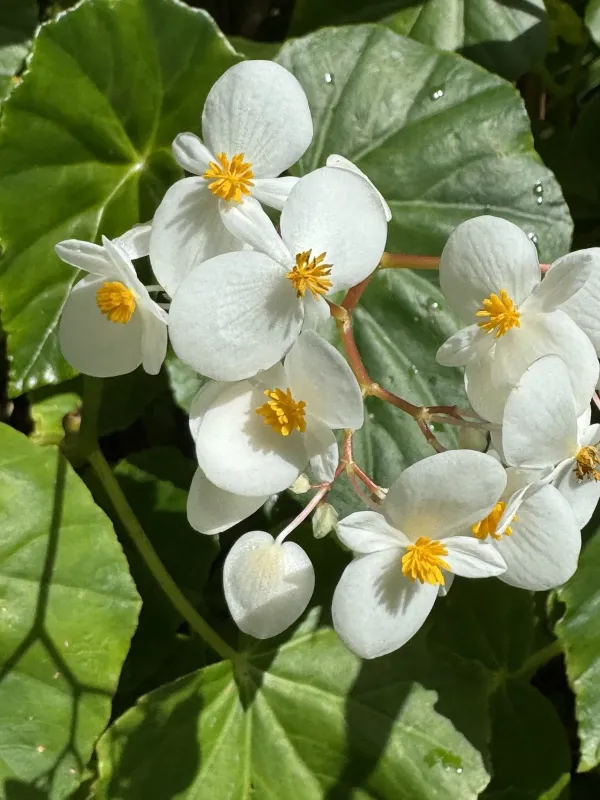
Description
Sowing dates
Hybrid begonia seeds are extremely small, so they are sown on the surface without burying them in the soil. The optimal time for sowing in indoor conditions is January or February, which allows for flowering plants by the start of the summer season.
A light, sterile substrate based on peat mixed with sand or perlite is used for sowing. Containers are covered with glass or film to maintain constant humidity, while ensuring the seedlings receive diffused lighting.
The temperature regime during the germination period must be strictly maintained at 22–24 degrees Celsius. It is crucial to avoid drying out the top layer of the soil by using a fine-mist sprayer for watering.
Seedling pricking out is performed after the appearance of two or three true leaves, transplanting them into individual pots or trays. The process requires caution due to the fragility of the root system and the aerial parts of the young plants.
Hardening of the seedlings before planting in open ground begins two weeks before the expected date, gradually lowering the temperature and increasing the time the plants spend in the fresh air.
Growing requirements
Hybrid begonia belongs to the Begoniaceae family and is the result of complex selection, adapted for ornamental horticulture. The plant prefers well-lit places but is extremely sensitive to direct midday sun, which causes leaf burns.
Optimal soil acidity levels should be in the range of pH 5.5–6.5. The soil must be loose, breathable, and have high water-holding capacity to prevent water stagnation at the roots.
The crop places high demands on air humidity, which should be between 60 and 70 percent. When growing indoors, one should avoid sudden temperature changes and cold drafts, which inhibit the development of vegetative mass.
Watering should be regular but moderate, excluding waterlogging of the root ball. It is recommended to water the plants at the base, avoiding water contact with the leaves, which reduces the risk of fungal infections.
Fertilizing is carried out using complex mineral fertilizers with increased potassium and phosphorus content during the active budding period. Nitrogen fertilizers are used sparingly to prevent excessive leaf growth at the expense of flowering.
Main diseases and pests
The most dangerous fungal disease for begonias is powdery mildew, manifested by a white coating on the leaves under high humidity and poor ventilation. Systemic fungicides are used for control.
Gray mold or Botrytis often affects plants with excessive watering and poor drainage. The disease spreads rapidly in greenhouse conditions, so it is important to timely remove the affected plant parts.
Among pests, spider mites and greenhouse whiteflies are most common on the crop. In greenhouse conditions, their population grows very quickly, requiring the use of insecticides and acaricides.
Root rots are a consequence of improper agricultural techniques, especially in combination with heavy, poorly drained soils. Prevention consists of substrate disinfection and monitoring the watering regime.
Thrips and aphids can also cause damage by sucking juices from young shoots and buds, leading to leaf deformation. Regular inspection of the plants allows for the identification of infection foci at an early stage.