
Tali begonia
Begonia taliensis Gagnep.
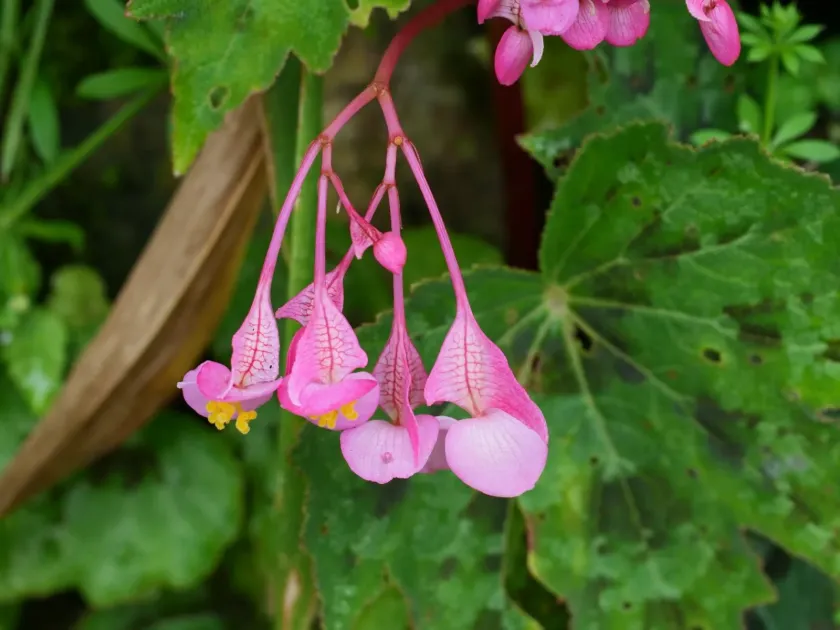
Description
Growing requirements
Begonia taliensis, also known as the Tali begonia, is a perennial herbaceous plant belonging to the large and diverse family Begoniaceae. This species is native to the high-altitude mountainous regions of Yunnan Province in China, where it thrives in humid forest floors.
The botanical structure of the plant features a rhizomatous growth habit, which acts as a storage organ for water and nutrients. Its leaves are structurally adapted to low-light conditions, often displaying intricate textures that provide ornamental value in both glasshouses and indoor environments.
Cultural requirements involve maintaining consistent shade or filtered light conditions, as direct sunlight can easily scorch the foliage. The ideal climate mimics the mountain environment, requiring cool-to-moderate temperatures and high atmospheric humidity to prevent desiccation.
Soil quality is paramount for the health of Begonia taliensis; it requires a well-draining, aerated growing medium. A blend composed of sphagnum peat, perlite, and fine bark is typically recommended to prevent root suffocation while maintaining necessary moisture levels.
Management practices emphasize precise irrigation techniques where water is applied directly to the soil rather than the foliage. Furthermore, a balanced, diluted liquid fertilizer should be applied periodically during the growing season to support leaf development and rhizome vigor.
Main diseases and pests
Disease management is critical for this species, as it is susceptible to various fungal pathogens like powdery mildew and Botrytis (gray mold). These issues are almost exclusively associated with poor airflow and high humidity levels in the immediate microclimate surrounding the plant.
Common pests that pose a threat to Begonia taliensis include spider mites and mealybugs, which exploit the plant's soft tissue. Regular maintenance, including the removal of dead leaves and the use of horticultural oils or systemic pesticides when necessary, is essential for long-term survival.