
Begonia soli-mutata
Begonia soli-mutata L. B. Sm. & Wassh.
Description
Growing requirements
Begonia soli-mutata belongs to the Begoniaceae family and is native to the rainforests of Brazil. It is a rhizomatous perennial plant characterized by its highly ornamental foliage that thrives in shaded forest understories.
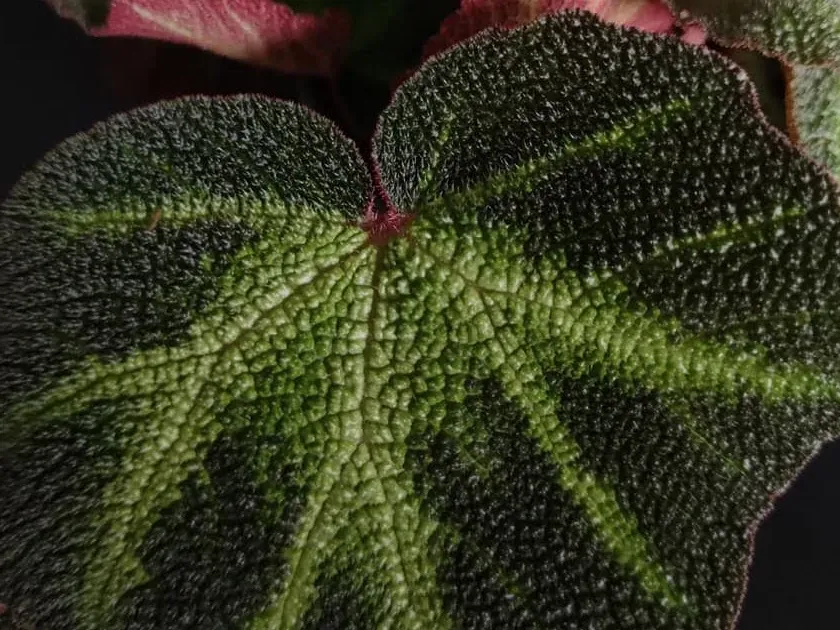
The plant features distinct, textured leaves with a striking color variation, often displaying deep green or near-black tones accented by silver veins. These leaves are covered in fine, soft hairs which are a key botanical identifier for the species.
Regarding climate, this species requires a stable environment with temperatures between 20°C and 25°C. It is intolerant to cold drafts and thrives best when shielded from direct, intense sunlight, which can burn its delicate leaves.
Soil requirements involve a well-draining, peat-based substrate that retains some moisture but prevents waterlogging. It is crucial to maintain a consistent moisture level in the growing medium without causing soil saturation.
The primary use of Begonia soli-mutata is in interior design and horticultural collections. Due to its unique aesthetic appearance and ability to thrive in low-light conditions, it is a prized specimen for terrariums and indoor plant arrangements.
Main diseases and pests
The culture is susceptible to various fungal pathogens, most notably powdery mildew and grey mold. These issues often arise in environments with poor air circulation or excessive humidity trapped on the foliage surface.
Pests such as spider mites, mealybugs, and scale insects can infest the plant, especially in drier indoor conditions. Regular inspection and maintaining appropriate humidity levels are the best strategies to prevent significant damage.