
Rex Begonia
Begonia-Rex-Hybridae x Begonia hatacoa x Begonia deliciosa
Description
Growing requirements
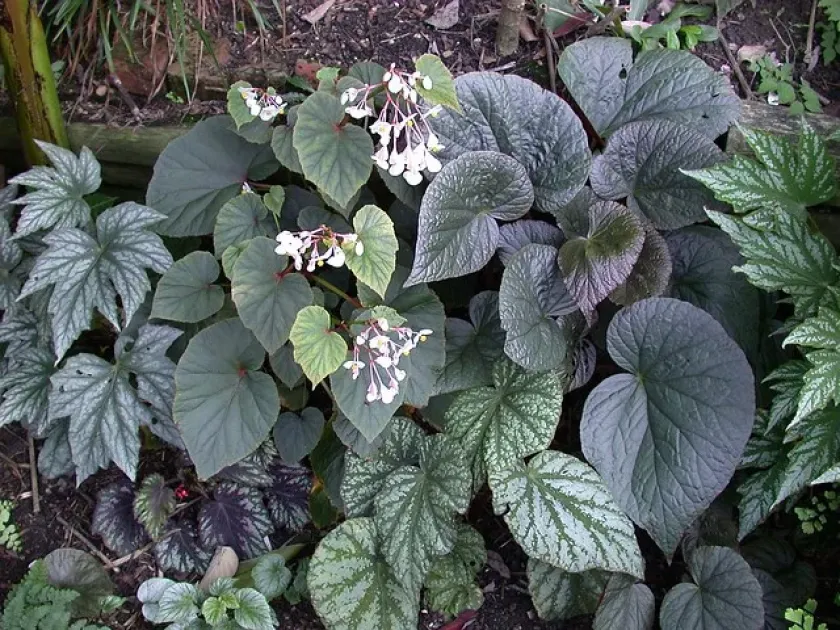
Rex Begonia (Begonia-Rex-Hybridae) is a complex hybrid originating from the family Begoniaceae, with lineage tracing back to species such as Begonia hatacoa and Begonia deliciosa. It is celebrated for its incredibly diverse and colorful foliage patterns, which have made it a staple in ornamental plant production.
Native to the humid, shaded regions of tropical Asia, this crop requires specific environmental controls. It thrives in temperatures between 18°C and 24°C. Exposure to extreme cold or scorching, direct sunlight can cause irreversible physiological damage to the leaves and stunted growth.
Cultivation requires a well-draining, slightly acidic soil medium. A mixture based on peat, perlite, and pine bark is recommended to ensure optimal root aeration. Water management is critical; the substrate should be kept consistently moist but never waterlogged to prevent root rot.
Light requirements for these hybrids are moderate. They prefer bright, indirect light, which is essential to maintain the vibrant pigments of the leaves. High-intensity light can bleach foliage, while low light leads to leggy, unattractive growth and loss of natural vigor.
In modern horticulture, Rex Begonias are used extensively as potted indoor plants or for specialized seasonal display beds in sheltered garden areas. They are propagated primarily through leaf cuttings or rhizome division, reflecting their unique biological structure as rhizomatous perennials.
Main diseases and pests
The most common disease threats include Powdery Mildew and Botrytis (grey mold). These fungi thrive in high-humidity environments with poor air circulation, necessitating a careful balance of humidity levels and consistent ventilation.
Pest management is vital for maintaining plant health. Spider mites are the primary threat, especially in indoor environments with dry air. Other potential pests include mealybugs and whiteflies, which require regular monitoring and integrated pest management (IPM) strategies for control.