
Begonia Rex
Begonia-Rex-Hybridae
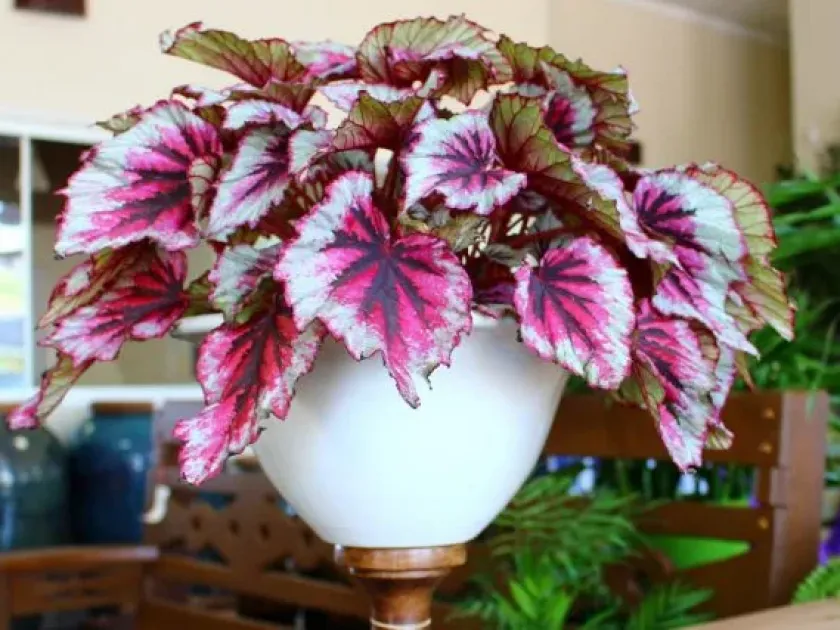
Description
Growing requirements
Begonia Rex-Hybridae is a popular ornamental crop belonging to the Begoniaceae family. Originating from the humid forests of tropical Asia, this plant is cultivated primarily for its distinctive, intricately patterned foliage rather than its flowers.
The culture thrives in temperatures ranging from 18°C to 24°C. It is sensitive to thermal stress; therefore, maintaining a consistent environment without drafts is critical for preserving the integrity of the leaf tissues.
Soil requirements focus on high aeration and moisture retention. A standard potting mix for this crop typically consists of peat moss, pine bark, and perlite. This composition ensures that roots have access to oxygen while maintaining the necessary humidity levels.
Light management requires high-intensity, diffused light. Direct exposure to intense sun will cause leaf scorching and tissue necrosis, reducing the market value and aesthetic appeal of the plant specimens.
Hydration strategies should prioritize watering the substrate directly. Overhead watering is strictly discouraged as it creates a microenvironment conducive to fungal infections on the leaves and stems of the plants.
Main diseases and pests
The main pathological threats include Botrytis cinerea and powdery mildew, which flourish in environments with poor air circulation and excessive humidity. Management involves adjusting the spacing between plants and applying preventative fungicidal sprays.
Common insect pests include spider mites, mealybugs, and aphids, which thrive in dry indoor conditions. Integrated pest management protocols, including the use of systemic insecticides and neem oil, are recommended for effective control.