
Begonia pseudolubbersii
Begonia pseudolubbersii Brade
Description
Growing requirements
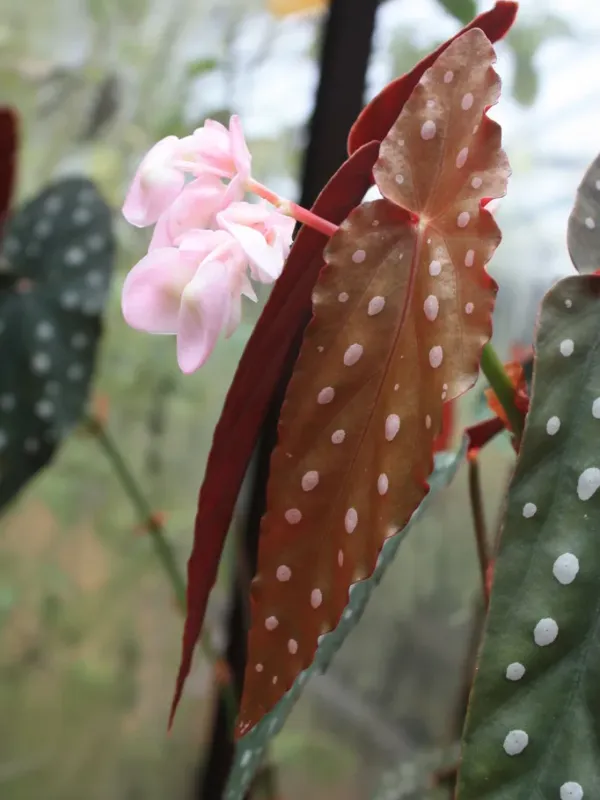
Begonia pseudolubbersii is an ornamental herbaceous perennial belonging to the Begoniaceae family. Originating from the Atlantic forests of Brazil, this species thrives in humid, shaded environments and is highly valued by collectors for its unique foliage.
The optimal climate for this species involves maintaining temperatures between 18°C and 25°C. Exposure to temperatures below 15°C can cause physiological stress and growth inhibition, while high heat must be paired with increased ambient humidity.
Soil requirements focus on high organic matter content and excellent drainage. A substrate consisting of peat, leaf mold, and perlite or coarse sand provides the necessary structure to keep roots aerated and prevent compaction.
Consistent moisture management is vital for Begonia pseudolubbersii. The plant should be watered thoroughly, allowing the excess to drain completely; the top layer of soil should dry out slightly before the next application to maintain root health.
Fertilization should be applied at half-strength during the active growing season. A balanced liquid fertilizer formulated for foliage plants supports the development of the complex leaf patterns characteristic of this specific variety.
Main diseases and pests
Powdery mildew represents a significant risk for this species, appearing as white dust on leaf surfaces. Improving air circulation around the plant is the most effective preventative measure against fungal outbreaks of this type.
Spider mites are common pests that thrive in the indoor environment, especially during heating seasons. Regular leaf inspections and maintaining high humidity levels are essential to prevent rapid infestation cycles.
Root rot, caused by Pythium or Phytophthora species, is often the result of overwatering or inadequate soil aeration. If symptoms appear, the plant must be repotted into fresh, sterile soil after removing any decayed root tissue.
Bacterial leaf spot can develop if the foliage remains wet for extended periods in low-light conditions. It is crucial to water only at the base of the plant to keep leaves dry and reduce the risk of pathogen spread.
Mealybugs can cluster in leaf axils, sucking plant sap and weakening the specimen. Early detection and treatment with neem oil or systemic insecticides are recommended to preserve the integrity of the plant's growth pattern.