
Hybrid Begonia
Begonia picta Sm. x B. rex Putz.
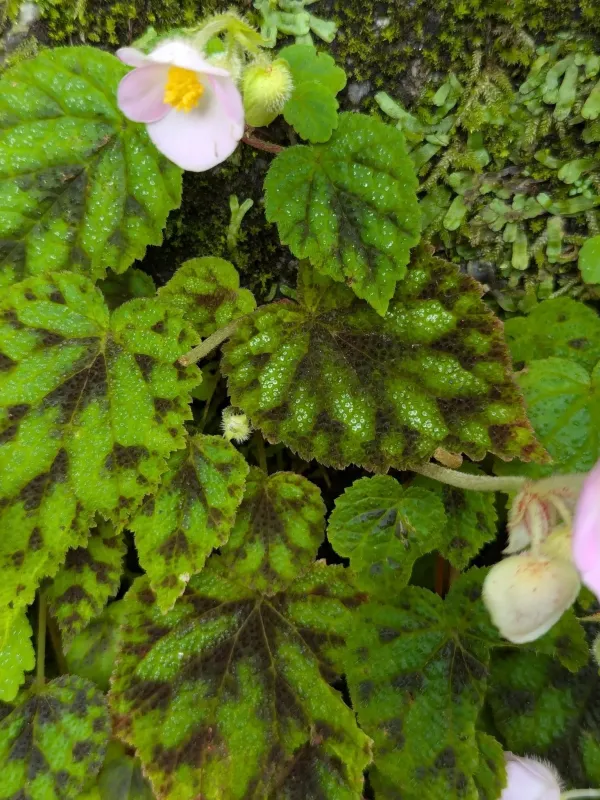
Description
Growing requirements
Hybrid Begonia (Begonia picta Sm. x B. rex Putz.) is a decorative plant belonging to the Begoniaceae family. This hybrid combines the distinct morphological traits of its parent species, resulting in unique foliage patterns and robust growth habits suitable for indoor environments.
The plant thrives in a stable climate with temperatures consistently ranging between 18 and 24 degrees Celsius. It is highly sensitive to rapid temperature fluctuations, which can trigger metabolic stress and lead to leaf drop or stunted vegetative development.
In terms of soil requirements, the crop demands a high-quality, well-draining substrate with a slightly acidic pH level. A mix consisting of peat moss, pine bark, and perlite is often utilized by growers to ensure sufficient oxygen availability for the delicate root system.
Maintenance involves precise watering practices, ensuring the soil remains moist but never waterlogged. Irrigation should ideally be performed using room-temperature, filtered water to prevent mineral accumulation and prevent potential root rot issues.
Commercially, Hybrid Begonia is widely cultivated in controlled greenhouse environments to serve the ornamental plant industry. Its primary use is in interior decoration, high-end landscaping, and as a popular choice for potted plant retail markets worldwide.
Main diseases and pests
The main pathological threats to the crop include various fungal diseases such as Botrytis cinerea and powdery mildew, which thrive in environments with poor ventilation and high atmospheric humidity.
Pest management focuses on controlling sap-sucking insects like spider mites and fungus gnats. Regular monitoring and integrated pest management (IPM) strategies are essential to maintain the commercial quality of the foliage.