
Begonia per-dusenii
Begonia per-dusenii Brade
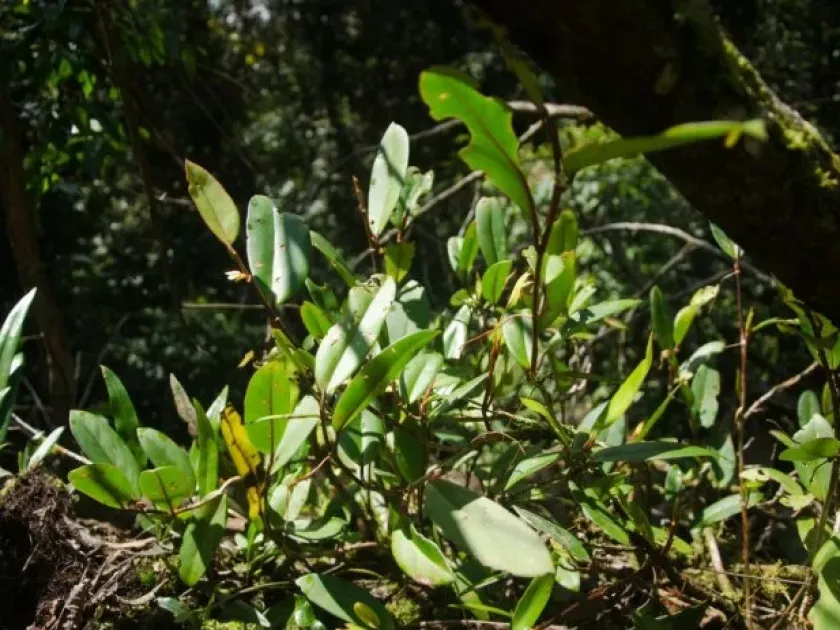
Description
Growing requirements
Begonia per-dusenii Brade is a distinct species within the Begoniaceae family. Native to the humid tropical forests of Brazil, this plant has adapted to thrive under the canopy, benefiting from high humidity and filtered sunlight throughout its vegetative cycle.
The botanical structure of this species displays typical characteristics of tropical Begonias, including fleshy stems and specialized leaf morphology designed for efficient photosynthesis in low-light conditions. It is highly regarded in scientific and horticultural circles for its unique taxonomic status.
To successfully cultivate this species, one must provide a well-draining, nutrient-rich substrate, typically based on a mixture of sphagnum peat and organic bark. The root system is sensitive to waterlogging, making proper drainage an essential requirement for healthy growth.
Temperature management should prioritize consistency, aiming for 20 to 25 degrees Celsius. Extreme fluctuations can lead to physiological stress. In addition, the species requires an environment with stable high humidity, often necessitating the use of specialized growing chambers or terrariums.
The primary use of Begonia per-dusenii is within conservatory collections and as a specialty plant for experienced hobbyists. Its rarity and specific environmental needs make it a subject of interest for conservation and botanical research within the broader category of tropical greenhouse plants.
Main diseases and pests
The most common threats to this species include fungal pathogens such as Pythium and Botrytis, which can cause significant damage in poorly ventilated environments. Maintaining proper air circulation is critical to prevent the proliferation of these destructive organisms.
Pest management should focus on early detection of mites and thrips. Due to the sensitivity of the foliage, mechanical removal and the application of targeted, non-phytotoxic horticultural oils are the preferred methods for maintaining the plant's aesthetic and biological integrity.