
Pendulous begonia
Begonia pendula Ridl.
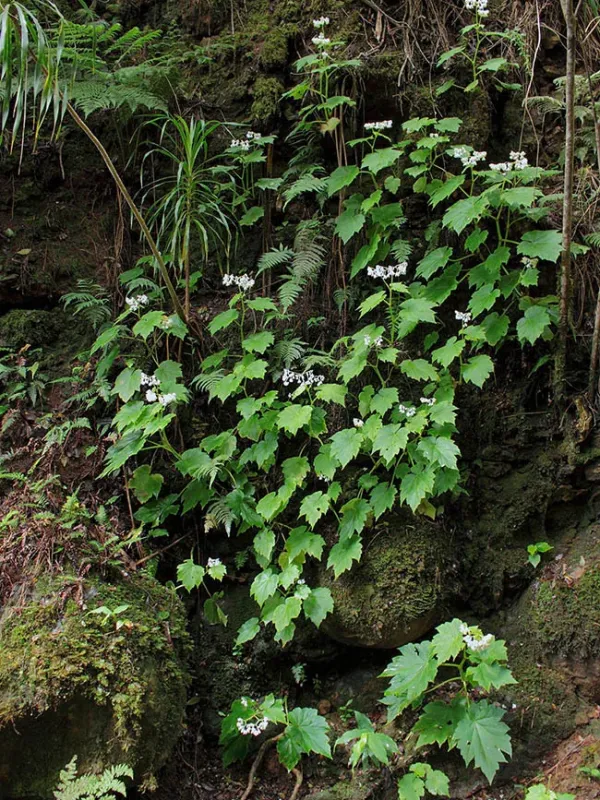
Description
Sowing dates
Seed propagation of Begonia pendula requires precise attention to detail due to the microscopic size of the seeds and their sensitivity to substrate depth.
Sowing is typically performed from February to March in greenhouses, which allows for sufficient time to produce high-quality specimens for the growing season.
Seeds are sown on the surface of the growing medium and are never buried, as they require light exposure for successful germination.
Maintaining a high humidity level using clear covers is essential during the initial germination phase to prevent the delicate seeds from drying out.
Pricking out the seedlings occurs once the first few true leaves have formed, transferring them into separate pots with a sterile, well-draining soil mix.
Growing requirements
As a member of the Begoniaceae family, this species thrives in bright but indirect light conditions, as intense direct sun will scorch the leaves.
The ideal temperature for consistent growth ranges between 20°C and 25°C, with protection from cold drafts being vital for survival.
The potting medium must be slightly acidic and porous, providing excellent drainage to prevent the root system from sitting in stagnant water.
Watering should be conducted carefully, ensuring the substrate dries slightly between sessions to maintain root health and prevent oxygen depletion.
Fertilization with a balanced, water-soluble liquid fertilizer during the active growing phase helps sustain vibrant foliage and frequent flowering cycles.
Main diseases and pests
Fungal diseases such as powdery mildew are the most significant threats to Pendulous begonia, especially in environments with poor air circulation.
Gray mold (Botrytis) frequently occurs when excess moisture persists on the foliage, leading to rapid tissue decay and overall plant decline.
Pests like spider mites and whiteflies can infest the plant, causing chlorosis and weakening the overall vigor if left untreated.
Root rot, caused by overwatering or soil compaction, is a common physiological problem that often leads to total plant loss in home collections.
Effective management includes maintaining proper spacing for airflow and applying preventive fungicidal treatments during high-risk humid conditions.