
Begonia pedatifida taliensis
Begonia pedatifida x Begonia taliensis
Description
Growing requirements
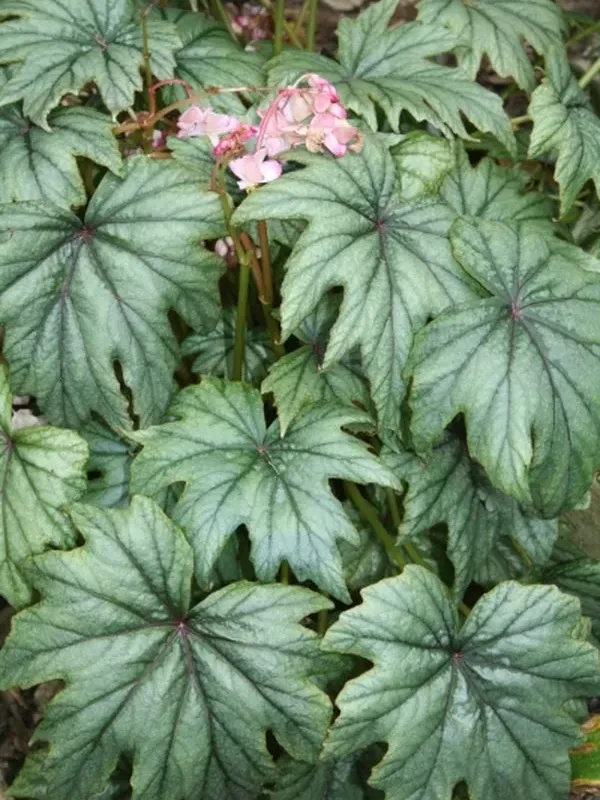
Begonia pedatifida x taliensis is a hybrid ornamental plant belonging to the Begoniaceae family. It is highly valued for its unique leaf architecture, which combines the morphological traits of its Asian mountain-dwelling parent species, resulting in a distinct visual appeal.
Successful cultivation requires consistent environmental parameters, with temperatures ranging from 18 to 24 degrees Celsius. The species is sensitive to extreme temperature fluctuations and prefers a stable, draft-free microclimate typical of its subtropical origin.
The ideal growing medium should be well-draining, airy, and slightly acidic. A mix consisting of peat moss, pine bark, and perlite provides the necessary structure to prevent root compaction and allow for proper oxygenation, which is crucial for healthy rhizome development.
Light requirements are focused on bright, indirect sun exposure. Direct light can cause severe leaf scorch and pigment degradation. Therefore, positioning the plant in a location with filtered light or under specialized greenhouse shading is highly recommended for optimal health.
Agrotechnical care includes balanced irrigation cycles, ensuring the substrate dries slightly between waterings. Fertilization should be applied during the growing season using a diluted, balanced NPK fertilizer to support foliage growth without over-stimulating weak tissues.
Main diseases and pests
The primary threats to this Begonia hybrid are fungal pathogens such as powdery mildew and Botrytis, which thrive in environments with high humidity and poor airflow. Maintaining good ventilation is the most effective cultural control method.
Root rot, caused by overwatering, is a common issue that often leads to plant loss. Using a porous potting mix and ensuring containers have drainage holes significantly reduces the risks associated with water-logged soil conditions.
Pest pressures include infestations of spider mites and mealybugs, which prefer the dry environments that can sometimes occur in indoor settings. Early detection through regular leaf inspection is essential for effective management.
When chemical intervention is necessary, the use of targeted miticides or insecticidal soaps is recommended. Applications should follow the manufacturer's guidelines to prevent phytotoxicity on the plant's delicate, often textured leaf surfaces.
Sanitation practices, such as removing senescent or diseased leaves, are vital for maintaining plant health. These steps prevent the buildup of inoculum and help ensure that the plant remains vigorous and aesthetically pleasing throughout the year.