
Pedatifid begonia
Begonia pedatifida Lév.
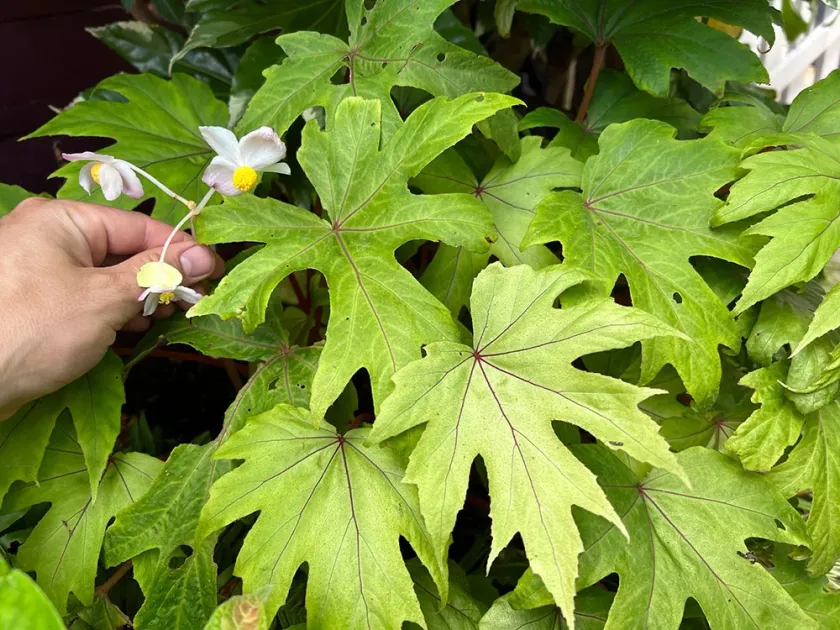
Description
Sowing dates
Propagation of Begonia pedatifida is typically performed using rhizome cuttings or division during the early spring growth phase.
Seed sowing requires a specialized fine-textured substrate, as the seeds are extremely small and need constant moisture to break dormancy.
Maintaining a constant temperature of approximately +23°C is crucial for consistent germination of the seedlings within the first two weeks.
Young plants should be transplanted into individual small pots once they develop at least three to four true leaves to ensure healthy root development.
During the hardening-off phase, seedlings must be gradually acclimatized to lower humidity levels before being placed in permanent locations.
Growing requirements
This species, belonging to the Begoniaceae family, is native to the forested areas of China and prefers shaded, cool environments.
A well-draining soil mix is essential, preferably rich in organic matter like leaf mold, peat, and coarse sand for adequate drainage.
The plant thrives in indirect light and will suffer leaf scorch if exposed to direct sunbeams during the peak hours of the day.
Consistent ambient humidity levels between 60% and 75% are necessary to mimic the natural rainforest conditions of its native habitat.
Watering should be balanced, allowing the surface of the growing medium to dry slightly to prevent the risk of root suffocation.
Main diseases and pests
Powdery mildew remains the primary fungal threat, particularly in environments with poor ventilation and stagnant air circulation.
Spider mites often attack the undersides of the leaves during the winter months when indoor heating makes the air excessively dry.
Regular monitoring and application of soft soaps or horticultural oils can help manage minor infestations before they become critical.
Overwatering is a frequent cultural mistake that leads to rhizome rot, which can be fatal if not addressed through repotting and substrate correction.
- Use of systemic fungicides in case of persistent mold infections.
- Maintaining optimal air circulation to reduce disease pressure.