
Begonia parviflora
Begonia parviflora Poepp. & Endl.
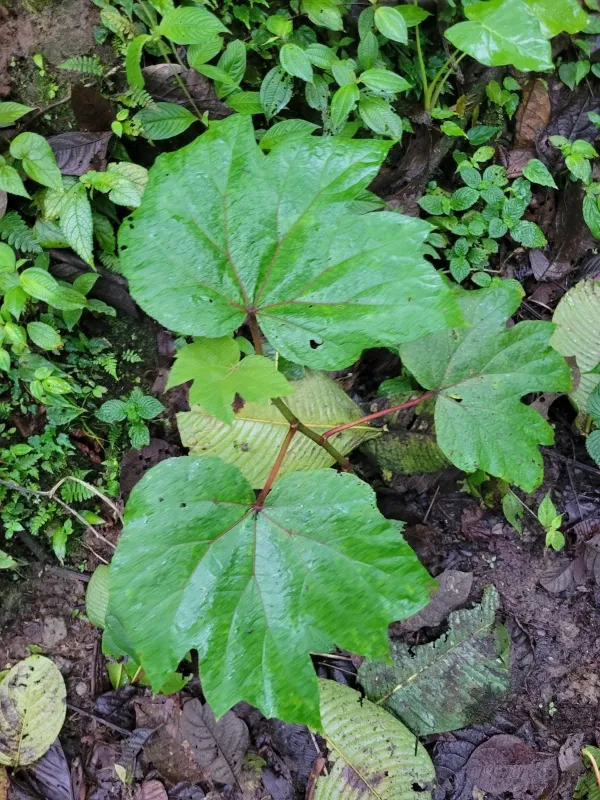
Description
Growing requirements
Begonia parviflora is a distinct member of the Begoniaceae family, notable for its tree-like habit which sets it apart from typical ornamental begonias. As a large-growing species, it provides a unique architectural element in botanical collections and spacious conservatories.
Originating from the mountainous tropical forests of South America, specifically Peru and Ecuador, this species is adapted to humid, high-altitude environments. Understanding its native habitat is essential for replicating the conditions required for healthy growth in cultivation.
For optimal health, the plant requires a nutrient-rich, well-draining soil medium. A mixture of peat, perlite, and organic compost is recommended to ensure both moisture retention and adequate aeration for the sensitive root system of the species.
Environmental conditions should be carefully monitored, with a preference for stable temperatures between 18°C and 24°C. The species thrives in high humidity levels, ideally above 60%, making it a perfect candidate for professional greenhouses or climate-controlled environments.
Light requirements involve filtered, bright light. Direct sunlight, especially in the afternoon, should be avoided to prevent leaf scorching. Consistent moisture is necessary, though waterlogging must be strictly avoided to prevent physiological stress.
Main diseases and pests
Powdery mildew is the most frequent fungal issue, particularly in environments with poor air circulation. Increasing airflow and avoiding overhead watering are fundamental practices to maintain a healthy plant and prevent spores from settling.
Spider mites are common pests that thrive in the dry conditions that this plant typically avoids. Frequent misting and wiping the leaves can act as a natural deterrent, while severe infestations may require the application of specific miticides.
Root rot is a critical threat often caused by overwatering or compacted soil. Once root rot takes hold, it can be difficult to treat, making preventative measures like proper drainage and careful irrigation monitoring paramount for survival.
Bacterial leaf spot can occur when temperatures are too high and ventilation is inadequate. Sanitation of gardening tools and quick removal of infected tissue are essential steps in containing the spread of bacterial pathogens within a collection.
Mealybugs can often hide in the crevices of the stem and leaf axils. Regular inspection of the plant's structure and manual removal of pests are effective at low infestation levels, while persistent populations may require systemic insecticidal control.