
Begonia obliqua
Begonia obliqua L.
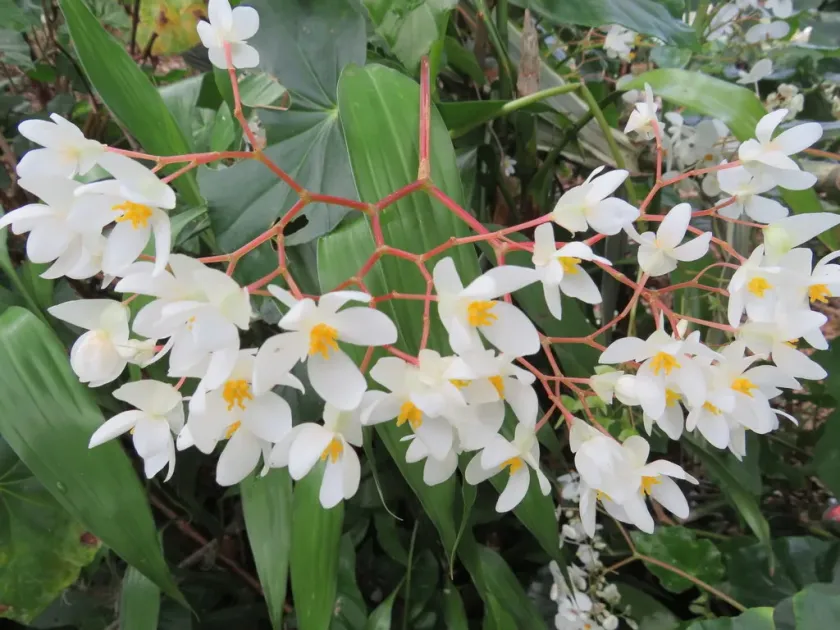
Description
Growing requirements
Begonia obliqua L. is a distinctive species within the Begoniaceae family, native to the tropical forests of the Caribbean islands. This perennial plant is highly valued for its morphological diversity and is often studied in both botanical and agricultural research.
Regarding cultivation requirements, the plant demands high levels of ambient humidity and consistent warmth. It thrives in environments where temperatures remain between 18 and 25 degrees Celsius, as extreme cold can lead to metabolic slowdown and tissue necrosis.
Soil composition must be porous to allow for efficient drainage while maintaining moisture. An ideal growing medium typically consists of high-quality sphagnum peat, perlite, and coarse sand, providing the necessary aeration for the plant's delicate root system.
Light requirements for this species focus on diffused lighting conditions. Direct sunlight is detrimental to the plant, causing phototoxicity and discoloration of the foliage, so agricultural setups usually employ shading screens to protect the crops.
Irrigation practices should follow the dry-down interval to ensure the roots do not sit in saturated soil. Effective water management remains the cornerstone of maintaining a vigorous and disease-free crop within a commercial greenhouse setting.
Main diseases and pests
Pathogenic threats to Begonia obliqua primarily involve fungal infections like powdery mildew and botrytis. These diseases are often the result of poor airflow in dense plantings, which necessitates proper plant spacing and consistent ventilation.
Pest pressures are predominantly caused by aphids, spider mites, and thrips. These sucking insects target the tender underside of leaves, causing significant structural damage and hindering the overall vigor of the plant population.
Integrated Pest Management (IPM) is essential for effective control. This involves a combination of biological controls, such as predatory mites, and targeted application of safe, professional-grade insecticides when pest thresholds are exceeded.
Root rot, often caused by pathogens like Pythium, can devastate a crop if irrigation management is faulty. Maintaining cleanliness of tools and containers is paramount to preventing the cross-contamination of greenhouse benches.
Monitoring programs are standard procedure in professional production. By tracking climate data and inspecting foliage weekly, growers can mitigate risks before they escalate into crop-wide infestations that compromise economic yield.