
Polka dot begonia
Begonia maculata Raddi
Description
Growing requirements
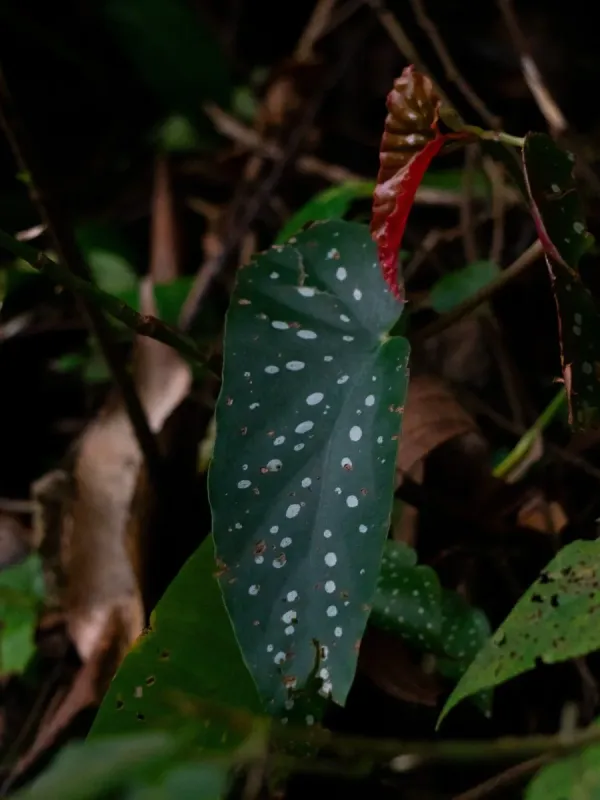
The Polka dot begonia (Begonia maculata) is a member of the Begoniaceae family, native to the tropical rainforests of Brazil. It has gained widespread recognition in commercial floriculture due to its unique spotted foliage and architectural growth habit.
This crop thrives in warm, tropical-like environments with ideal temperatures ranging between 20°C and 25°C. Exposure to sudden temperature drops or cold drafts should be strictly avoided to prevent physiological stress and defoliation of the crop.
Soil composition must prioritize drainage and aeration. A well-draining, slightly acidic peat-based substrate mixed with perlite or coarse sand is recommended to maintain the root health and prevent oxygen deprivation in the root zone.
Bright, indirect light is essential for maintaining the intense foliage coloration. Direct sunlight can cause severe leaf scorch, while low light conditions result in etiolation, where the stems become weak, leggy, and lose their vibrant aesthetic value.
Fertilization regimes should be adjusted according to the plant's growth cycles. During the active growing season, applying balanced, water-soluble fertilizers every two weeks promotes vigorous leaf production and overall plant health.
Main diseases and pests
The primary pathological threats to the Polka dot begonia include fungal infections such as powdery mildew and botrytis blight. These diseases are largely associated with poor ventilation and high humidity, which favor the spread of fungal spores.
Pest management focuses on controlling sap-sucking insects, including spider mites, mealybugs, and whiteflies. These pests compromise the integrity of the foliage and can lead to secondary infections if left unchecked in greenhouse environments.
Integrated Pest Management (IPM) practices are highly recommended. Regular scouting of the canopy and maintaining optimal environmental conditions serve as the first line of defense against both biotic and abiotic stressors.
Chemical control involving systemic insecticides should be utilized when pest populations exceed the economic threshold. Applying treatments during the early hours of the morning or late evening helps maximize the effectiveness of the active ingredients.
Good sanitation practices are fundamental for ensuring the longevity of the crop. Disinfecting tools, managing moisture levels, and isolating infected individuals are essential steps to keep the greenhouse or nursery production free from harmful outbreaks.