
Imperial begonia
Begonia imperialis Lem.
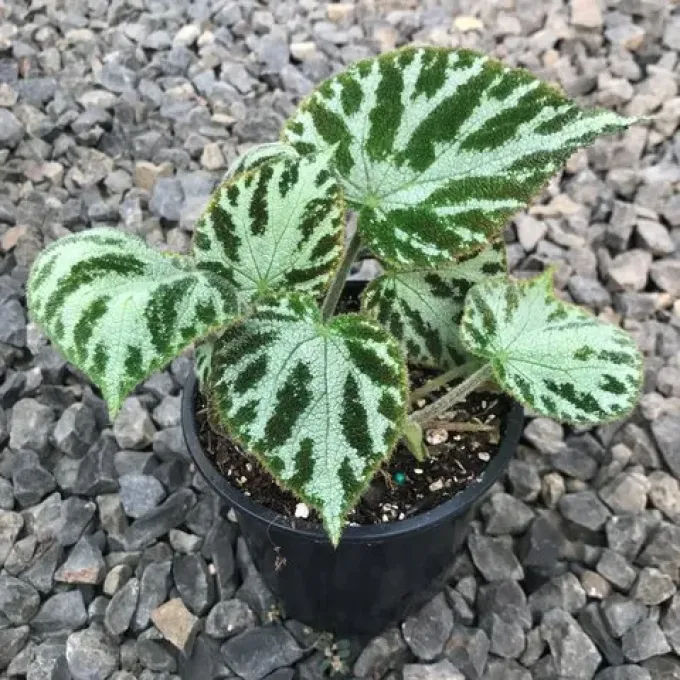
Description
Growing requirements
The Imperial begonia (Begonia imperialis Lem.) is a distinct ornamental species within the Begoniaceae family. Originating from the tropical forests of Mexico, it is highly valued for its striking textured foliage and compact growth habit.
For optimal growth, this plant requires filtered, indirect light. Direct sunlight can easily damage the delicate, velvety leaves, leading to scorching and loss of ornamental value in indoor environments.
The temperature must be kept within the range of 18–22°C (64–72°F). Sudden temperature fluctuations and drafts should be avoided at all costs, as the plant is highly sensitive to environmental stress.
A well-draining, nutrient-rich, and slightly acidic soil medium is essential. A mixture composed of peat moss, leaf mold, and perlite provides the necessary structure to prevent root suffocation.
Humidity management is critical for the survival of this species. Maintaining a humidity level of 60–70% is recommended, typically achieved through pebble trays or ultrasonic humidifiers rather than direct foliar misting.
Main diseases and pests
The most common pests affecting the Imperial begonia are spider mites and mealybugs. These pests thrive in dry conditions and can quickly colonize the undersides of the leaves, causing discoloration.
Powdery mildew is a prevalent fungal issue, appearing as white dust-like spots on the foliage. It is usually triggered by inadequate air circulation and high humidity levels combined with poor evaporation.
Root rot, caused by overwatering or poorly drained substrates, remains the most frequent cause of plant mortality. It leads to the rapid collapse of the stem and the decay of the root system.
Botrytis (gray mold) can infect the plant during cooler, damp periods. It presents as gray fuzzy growths on damaged or decaying plant parts, requiring immediate removal and systemic fungicide application.
Integrated pest management involves regular leaf inspection and maintaining strict hygiene in the cultivation area. Prompt removal of dead matter and isolation of infected plants are essential protective measures.