
Begonia hydrocotylifolia
Begonia hydrocotylifolia Otto ex Hook.
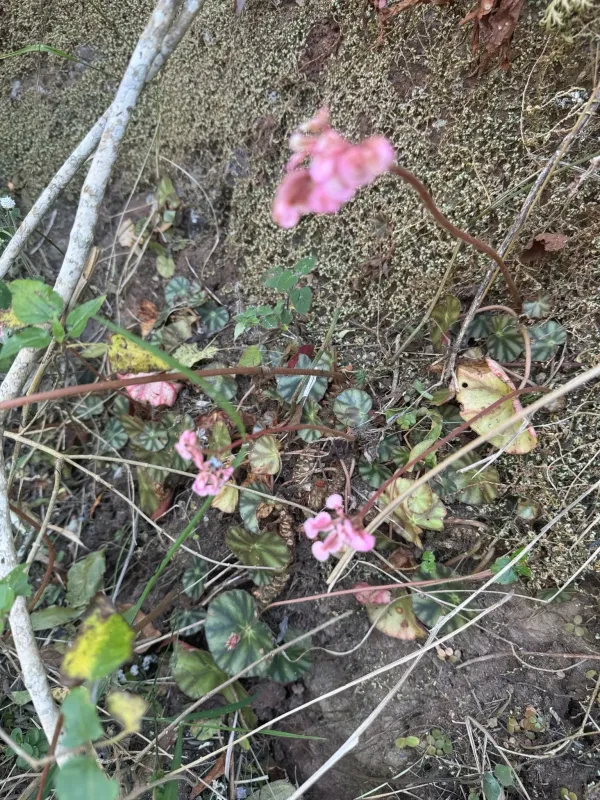
Description
Growing requirements
Begonia hydrocotylifolia, commonly known as the shield-leaf begonia, is a fascinating member of the Begoniaceae family. Native to the lush tropical rainforests of Mexico, this herbaceous perennial is prized by collectors for its rounded, shield-shaped leaves and dense growth habit.
The plant thrives in stable tropical environments, requiring consistent temperatures between 18 and 24 degrees Celsius. It is highly sensitive to cold drafts and rapid temperature fluctuations, which can trigger physiological stress and inhibit the plant's natural growth cycles.
Proper soil management is crucial for the health of this species. The ideal growth medium should be a highly porous, well-draining peat-based mix enriched with organic matter. This structure ensures that oxygen reaches the delicate roots while retaining the necessary moisture levels.
Light requirements for Begonia hydrocotylifolia are best satisfied by bright, indirect sunlight. Exposure to harsh, direct sunlight will inevitably lead to scorching of the leaves, while insufficient lighting will cause the plant to become leggy and lose its vivid color depth.
High humidity is essential for replicating its native habitat. Gardeners often use pebble trays or electric humidifiers to maintain a humidity level above 60 percent. It is vital to avoid overhead watering, as moisture trapped on the foliage easily promotes bacterial and fungal infections.
Main diseases and pests
Begonia hydrocotylifolia is susceptible to various fungal pathogens when cultural conditions are suboptimal. Powdery mildew is the most common issue, often appearing after periods of high humidity combined with stagnant air or poor circulation around the leaves.
Root rot, typically caused by overwatering or poor drainage, remains the most lethal threat to this species. The roots quickly succumb to anaerobic conditions, leading to the collapse of the entire plant structure; therefore, allowing the top layer of the soil to dry is critical.
Pest pressures are primarily dominated by spider mites and mealybugs. Spider mites thrive in dry conditions and can cause significant damage to the leaf tissue, leading to a mottled, unhealthy appearance that significantly reduces the plant's ornamental value.
Effective management involves a combination of mechanical removal and specialized miticides or insecticides. Regular inspection of the undersides of the leaves is the best way to catch an infestation in its early stages, preventing the spread to other plants in the collection.
Maintaining proper hygiene by removing dead or decaying leaves prevents the buildup of pathogens. By fostering a healthy, well-ventilated growing environment, gardeners can naturally suppress the development of most common diseases associated with indoor begonia cultivation.