
Begonia hatacoa
Begonia hatacoa Buch.-Ham. ex D. Don
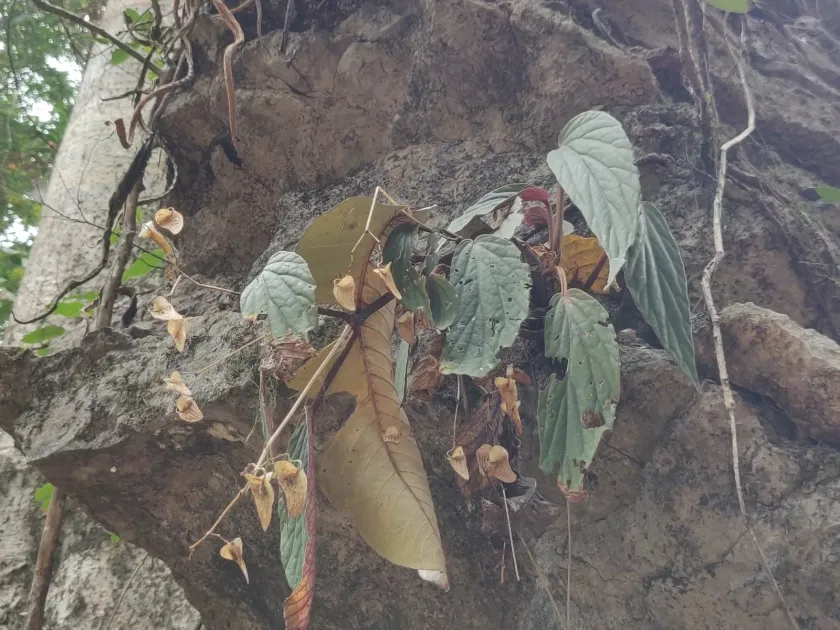
Description
Growing requirements
Begonia hatacoa is a perennial herbaceous plant belonging to the large Begoniaceae family. In its natural habitat, it thrives in the mountain forests of the Himalayas, India, and Myanmar, preferring shaded and consistently humid areas.
The species is highly valued for its ornamental leaves, which vary in shape and color, often featuring a distinct venation pattern. The plant typically develops creeping or erect stems and forms compact clusters, making it an excellent candidate for container gardening.
For optimal growth, this begonia requires bright, indirect light, as direct sunlight can cause significant damage to its delicate foliage. East or west-facing windows provide the best environment, ensuring sufficient light levels while avoiding harsh midday sun.
The potting medium must be highly porous and nutrient-rich to support healthy root development. A slightly acidic mix consisting of leaf mold, peat, and coarse sand is recommended to ensure excellent drainage and prevent waterlogging, which the roots cannot tolerate.
The ideal temperature range for this species is between +18°C and +24°C. The plant is extremely sensitive to sudden temperature fluctuations and cold drafts; therefore, it should be kept away from heating vents and drafty window sills during the winter months.
Main diseases and pests
Fungal infections, such as powdery mildew and grey mold, are the primary threats to Begonia hatacoa, usually triggered by improper watering practices and poor air circulation. Overwatering or splashing water on the leaves can lead to rapid fungal proliferation.
Pests like spider mites and mealybugs can infest the plants, especially when indoor humidity levels are too low. Regular inspection of the undersides of the leaves is essential for early detection and control of these common indoor plant pests.