
Begonia deliciosa
Begonia deliciosa Linden ex Fotsch
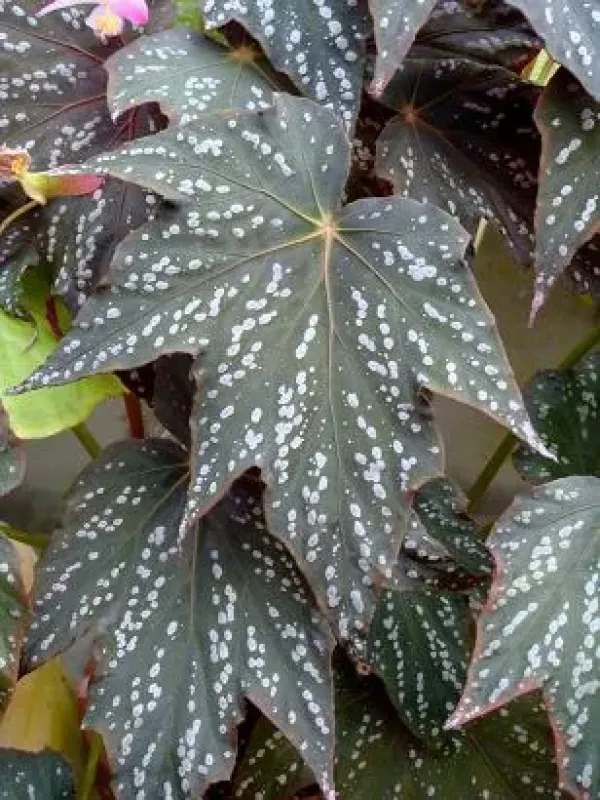
Description
Growing requirements
Begonia deliciosa is a distinguished species within the Begoniaceae family, highly regarded by horticulturalists for its unique foliage and elegant growth habit. As a native of tropical environments, it requires specific conditions to thrive in cultivation.
The plant demands a stable, warm climate with high humidity levels, ideally maintained between 65% and 75%. Rapid temperature fluctuations or exposure to cold drafts can cause leaf drop and stunt growth, making stable placement crucial.
The growing medium must be highly porous and rich in organic matter. A well-draining soil mix consisting of peat, perlite, and pine bark is recommended to ensure that excess water drains away, preventing root asphyxiation and fungal decay.
Regarding light intensity, Begonia deliciosa thrives under bright, filtered lighting. Direct intense sunlight will cause foliar scorching, while inadequate light leads to spindly, weak growth and the loss of natural leaf coloration.
Regular maintenance includes consistent irrigation and balanced nutrition. It is vital to use fertilizers specifically formulated for tropical plants during the active growing season, applying them at half-strength to avoid salt accumulation in the substrate.
Main diseases and pests
Fungal pathogens such as Botrytis (gray mold) pose a significant threat when air circulation is poor or humidity is uncontrolled. Improving airflow and removing dead organic tissue are essential management practices.
Insects like spider mites and mealybugs are common pests for this culture. Integrated pest management strategies should focus on early detection through leaf inspection and the application of horticultural oils or systemic insecticides when necessary.