
Wax begonia
Begonia cucullata Willd. var. cucullata
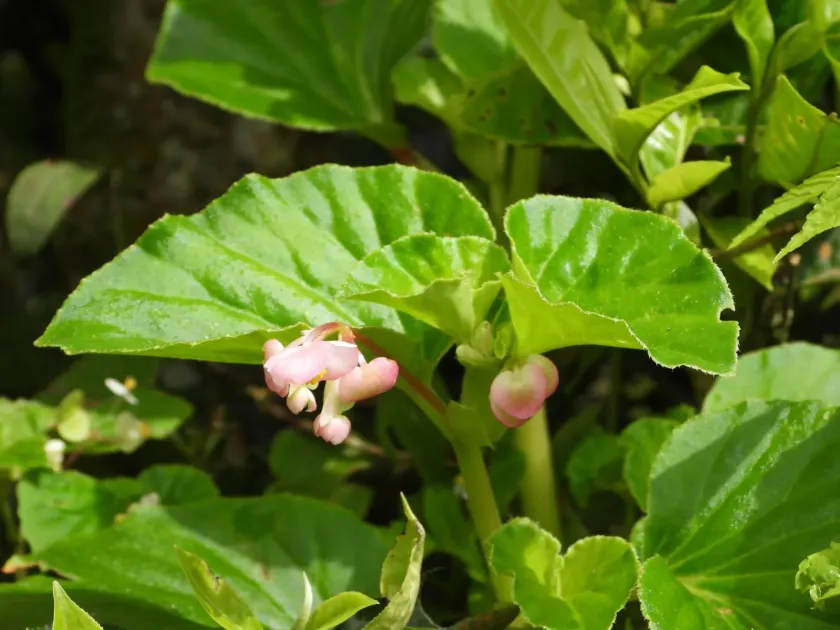
Description
Sowing dates
Wax begonia, scientifically known as Begonia cucullata, belongs to the Begoniaceae family and is widely appreciated as a versatile bedding plant. While it is a perennial in its native habitat, it is frequently cultivated as an annual in cooler climates.
Propagation is primarily done via seeds, which are extremely small and require careful handling. Seeds are sown indoors during the winter months, typically from January to February, to ensure a robust plant size by the start of the gardening season.
The seeds should be sown on the surface of a moist, sterile starting mix and kept covered with a plastic dome to maintain high humidity. A warm environment with temperatures between 20 and 22 degrees Celsius is essential for successful germination.
Once the seedlings develop their first true leaves, they must be pricked out into individual pots or cell trays. This process allows the root system to develop adequately before the plants are eventually moved outdoors.
Hardening off the seedlings is a crucial step before transplanting. Exposing the young plants to outdoor conditions gradually over one to two weeks helps them adapt to temperature fluctuations and prevents transplant shock.
Growing requirements
This plant thrives in fertile, well-draining soil with a slightly acidic pH level. Incorporating organic matter such as compost or peat moss into the planting area significantly enhances growth and bloom quality.
Wax begonias are adaptable regarding light conditions, performing well in both full sun and partial shade. However, in regions with intense summer heat, they appreciate afternoon shade to prevent leaf scorching and excessive water loss.
Consistent moisture is key, but the soil should never become waterlogged, as this leads to root rot. Watering should be targeted at the base of the plant to keep the foliage dry and healthy.
The optimal temperature range for active growth is between 18 and 25 degrees Celsius. The plants are sensitive to frost and will suffer damage if exposed to temperatures near or below freezing.
Regular fertilization is necessary to support continuous flowering throughout the season. A balanced liquid fertilizer applied every two weeks provides the essential nutrients required for strong stem development.
Main diseases and pests
Powdery mildew is a common fungal issue that presents as a white, dusty layer on leaves, often caused by poor air circulation. Improving spacing and reducing overhead watering can help mitigate this risk.
Botrytis, or gray mold, can occur in damp, crowded conditions, causing decay on stems and flowers. Affected plant parts should be removed promptly to prevent the spread of the fungal infection to healthy tissues.
Pests such as aphids and spider mites are frequent nuisances that sap the plant's vitality. Regular inspections of the undersides of the leaves are recommended to catch infestations early before they become severe.
Root-knot nematodes can damage the root systems, leading to stunted growth and yellowing foliage. Using clean, pathogen-free soil is the best preventive measure against these soil-borne pests.
Maintaining a clean garden environment and removing debris helps reduce the habitat for various pests and diseases, ensuring a healthier and more productive planting season for your begonias.