
Wax begonia
Begonia cucullata Willd.
Description
Sowing dates
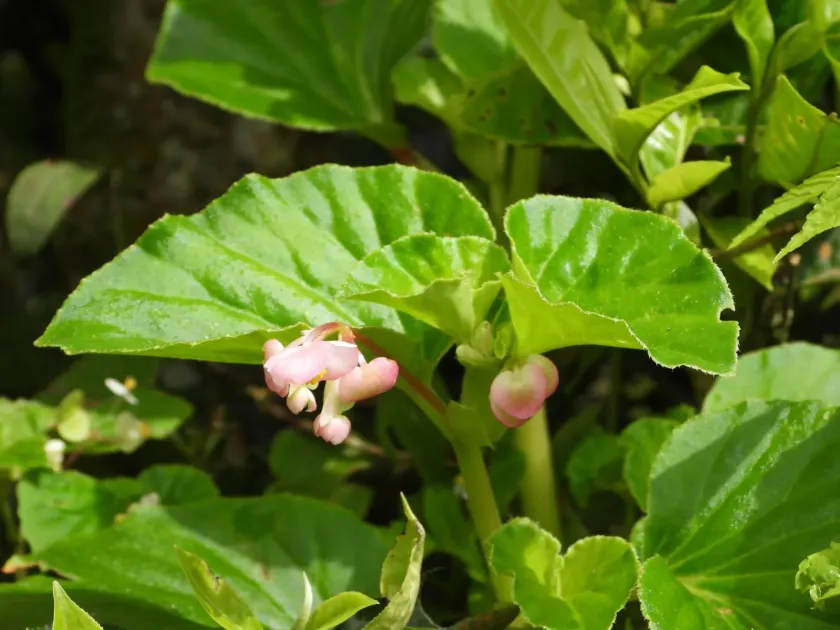
Wax begonia, scientifically known as Begonia cucullata, belongs to the Begoniaceae family. It is a popular ornamental crop widely used in landscaping and commercial flower production as an annual plant.
Sowing typically begins in mid-winter to ensure that plants are well-developed by the start of the frost-free season. Since the seeds are extremely small, they are usually sown on the surface of a fine-textured, moist peat-based medium.
Environmental control is crucial during the germination phase. Seeds require a consistent temperature of 23–25 degrees Celsius and high relative humidity, which is maintained by covering the trays with clear plastic or glass.
Once seedlings reach the stage of two or three true leaves, they are transplanted into individual containers or plug trays. This practice helps prevent overcrowding and promotes the development of a robust root system.
The hardening-off process is essential for successful outdoor establishment. This involves gradually exposing the seedlings to outdoor conditions for a week or two before transplanting them into their final location.
Growing requirements
The crop thrives in full sun to partial shade, depending on the specific climatic conditions of the region. In hotter climates, partial shade during the afternoon helps maintain the quality of the foliage.
Well-draining, humus-rich soil is necessary for optimal growth. Heavy, compacted soils should be amended with organic matter or perlite to improve soil structure and water movement through the profile.
Consistent moisture is required for steady plant development. While the soil should remain moist, it must never become waterlogged, as Begonia cucullata is highly susceptible to root rot in saturated conditions.
A balanced liquid fertilizer program is recommended throughout the growing season. Nitrogen-rich fertilizers support vegetative growth, while switching to high-phosphorus formulas will encourage continuous and profuse flowering.
Proper plant spacing is vital for air circulation. Adequate gaps between plants reduce the risk of humidity-related foliage diseases and ensure that each plant receives sufficient light for balanced growth.
Main diseases and pests
Aphids and whiteflies are common pests that feed on the sap of the plant. Integrated pest management, including the use of soaps, oils, or systemic insecticides, is required to maintain plant vigor.
Powdery mildew is a frequent fungal threat characterized by white patches on the leaves. It spreads rapidly in environments with poor airflow and high humidity, necessitating preventative fungicide applications.
Botrytis, or grey mold, often attacks damaged or decaying tissue under cool and damp conditions. Sanitation of the growing area and proper irrigation management are effective ways to mitigate this risk.
Spider mites can become a problem in hot and dry conditions, causing leaves to become stippled and discolored. Early detection and regular monitoring are essential for effective management.
To ensure healthy crops, producers should regularly inspect for symptoms of viral infections such as mosaic patterns or leaf distortion, as infected plants should be promptly rogued from the field.