
Coral Begonia
Begonia-Corallina-Hybridae
Description
Growing requirements
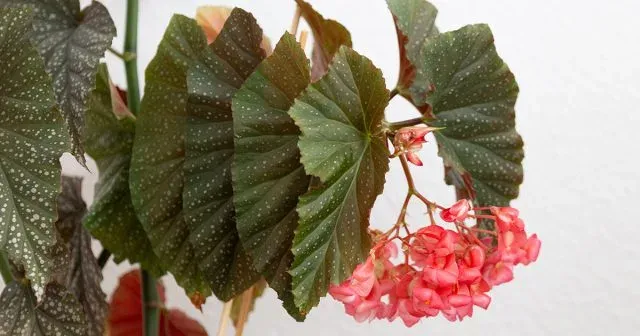
Coral Begonia (Begonia-Corallina-Hybridae) belongs to the Begoniaceae family. It is a robust hybrid recognized for its cane-like stems and clusters of flowers resembling coral polyps.
Originating from the tropical regions of Brazil, this plant thrives in warm, humid conditions. It is widely cultivated as an ornamental crop in indoor collections and conservatories globally.
For optimal growth, provide bright, indirect sunlight. Low light conditions will result in leggy stems and fewer blooms, while direct sun will scorch the delicate foliage and cause tissue damage.
The substrate should be porous and well-draining, typically consisting of peat moss, perlite, and pine bark. Keeping a slightly acidic pH is essential for nutrient absorption and overall vigor.
Maintain temperatures between 18°C and 24°C. Avoid placing the plants near heating vents or drafty windows, as this species is sensitive to sudden changes in ambient temperature and humidity.
Main diseases and pests
Powdery mildew is a common fungal threat for this plant, often appearing as white dust on the leaves. It occurs primarily when air circulation is poor and humidity levels are static.
Pests like spider mites and mealybugs can infest the stems and undersides of leaves. These insects cause stunted growth and yellowing, eventually leading to foliage loss if untreated.
Regular monitoring is key to success. Using insecticidal soaps or horticultural oils can manage infestations effectively without harming the plant's sensitive tissues.
Root rot is the most common cause of mortality in Coral Begonia. It is usually triggered by waterlogged soil and the lack of a proper drainage hole in the growing container.
To ensure plant health, allow the soil to dry out between waterings. Removing dead flowers and debris prevents fungal colonization and keeps the plant looking aesthetically pleasing.