
Eyelash begonia
Begonia bowerae Ziesenh.
Description
Growing requirements
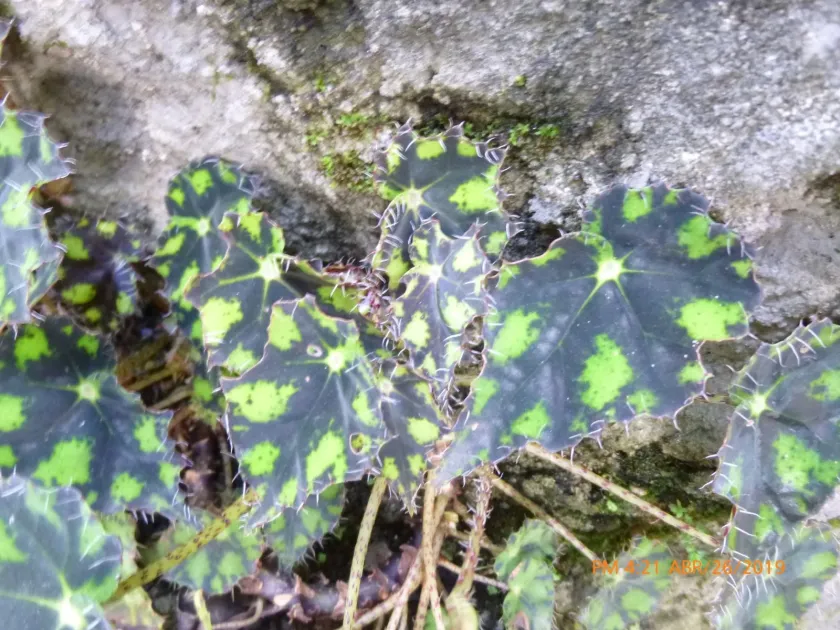
Eyelash begonia (Begonia bowerae Ziesenh.) is a distinctive species belonging to the large Begoniaceae family, highly valued for its striking patterned foliage. Originating from the tropical rainforests of Mexico, this plant thrives in humid environments under moderate, diffused light conditions.
The botanical structure of the plant features a creeping rhizome and unique, ciliated leaves, which give rise to its common English name. These features make it an ideal candidate for terrarium cultivation or as a decorative houseplant in interior design.
Optimal growth requires a stable environment with temperatures between 18 and 22 degrees Celsius. Exposure to cold drafts or temperatures dropping significantly below the comfortable range can lead to leaf senescence and overall plant decline.
Regarding soil requirements, the species demands a well-draining, nutrient-rich substrate with a slightly acidic pH. Incorporating perlite or coarse sand into a standard peat-based mix ensures the necessary aeration for the rhizomatous root system to develop healthily.
Cultivation practices include mindful watering, where the soil is allowed to slightly dry out between sessions to prevent anaerobic conditions. Humidity is a critical factor; placing the plant in a group of other foliage plants can help create a microclimate that benefits the leaves.
Main diseases and pests
Common pests affecting Begonia bowerae include spider mites, which flourish in dry indoor air, and mealybugs. Regular inspections of the foliage and petiole junctions are recommended to detect infestations at an early stage before they compromise plant health.
Pathogenic threats primarily involve fungal issues such as powdery mildew or various forms of leaf rot, often exacerbated by stagnant air or improper overhead watering. Ensuring good airflow and avoiding moisture accumulation on the leaf surface are essential cultural control strategies.