
Bactris brongniartii
Bactris brongniartii
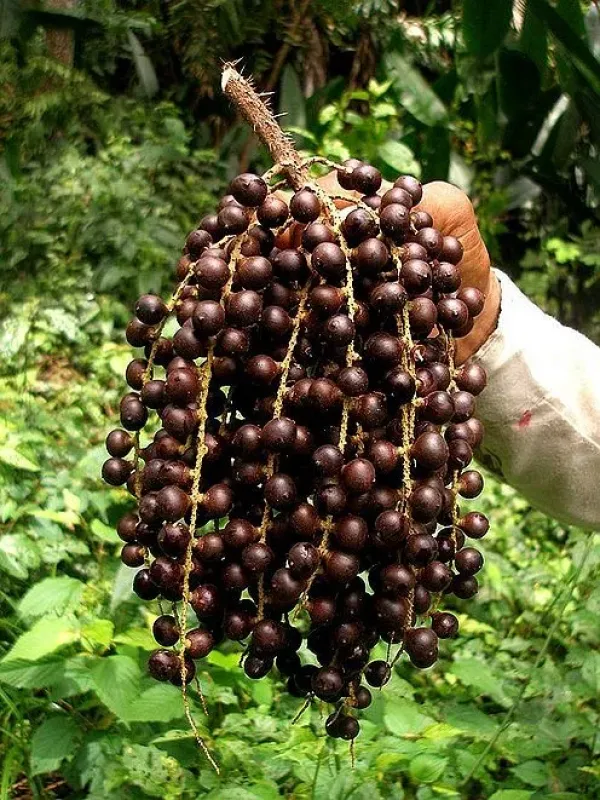
Description
Growing requirements
Bactris brongniartii is a species of palm in the family Arecaceae, native to the tropical rainforests of South America. It is typically found in the understory layer, where it adapts to low-light conditions.
This palm thrives in a warm and humid environment, with optimal temperature ranges between 22°C and 28°C. It is sensitive to direct sunlight, which can scorch its delicate fronds.
The soil requirements for this crop include a well-drained, nutrient-rich organic substrate. Good drainage is essential to prevent waterlogging, which the plant cannot tolerate.
Botanically, the species is characterized by its slender, often prickly stems and feathery foliage, which are specialized for surviving in dense tropical vegetation.
Maintaining high ambient humidity is crucial for the successful growth of Bactris brongniartii, especially when cultivated in greenhouse or indoor environments.
Main diseases and pests
The primary threats to this palm include fungal infections, which are often exacerbated by poor air circulation and excessive moisture in the growing medium.
Pests such as spider mites and mealybugs are common adversaries, frequently appearing in indoor settings where humidity levels are not consistently maintained.
Root rot, often caused by improper watering techniques, is a significant threat that can lead to the rapid decline of the plant if left unchecked.
Fungal leaf spot diseases can severely impact the health and visual quality of the foliage, necessitating frequent monitoring and preventive care.
Cultural control, including careful watering and the removal of dead or decaying organic matter, is highly effective in mitigating these threats.