
Whorled speargrass
Austrostipa verticillata
Description
Growing requirements
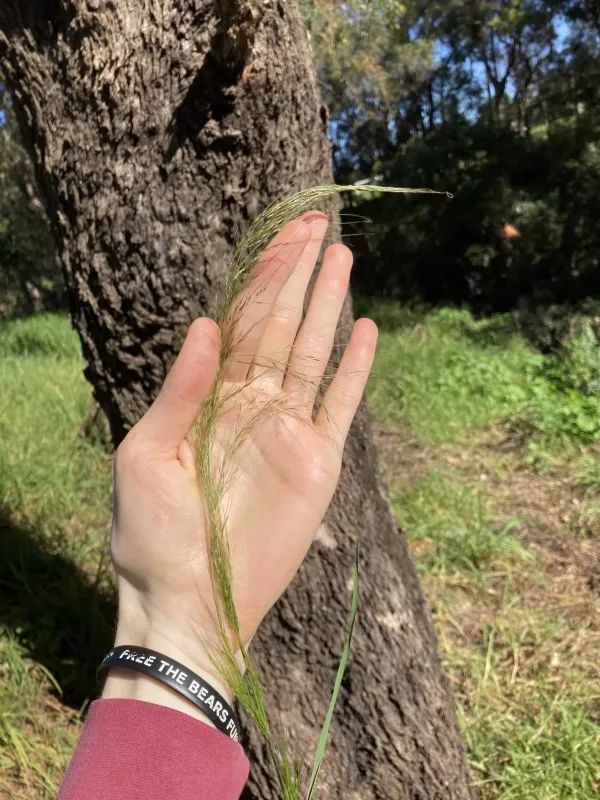
Whorled speargrass (Austrostipa verticillata) is a perennial grass species belonging to the family Poaceae. It is characterized by its distinctive whorled inflorescence structure, which sets it apart from many other needlegrass species.
Native to Australia, this grass is well-adapted to a variety of semi-arid environments. It is increasingly recognized for its ecological utility in land stabilization and the restoration of degraded landscapes.
The plant thrives in well-drained, sandy or loamy soils with moderate fertility levels. Its exceptional drought tolerance allows it to maintain vegetative activity even during extended dry spells, making it a reliable species for challenging climates.
Whorled speargrass requires full sun exposure for optimal growth. Shaded environments negatively impact the plant's density and leaf production, which can reduce its overall productivity in agricultural settings.
Agronomic management is minimal, focusing mainly on soil protection and the prevention of overgrazing. Its extensive root system provides excellent soil binding properties, effectively preventing erosion in vulnerable areas.
Yield
The primary agricultural use for this species is as a component of permanent pastures and rangelands. It is valued for its persistence and ability to provide ground cover under low-input management systems.
Forage yield is dependent on site conditions and the botanical composition of the stand. While not as high-yielding as intensive fodder crops, it provides a stable and reliable resource for extensive livestock grazing systems.
Harvesting for hay must be timed carefully to ensure nutritional value. Early-to-mid vegetative harvest is critical, as the plant becomes lignified and less palatable to livestock as it reaches full maturity.
Economic efficiency is derived from the plant's longevity and low maintenance requirements. Once established, the stand can persist for many years, eliminating the need for frequent reseeding or tillage operations.
Additionally, Austrostipa verticillata is frequently utilized in ornamental gardening and land rehabilitation projects, where its architectural form and low water requirements make it a preferred choice for sustainable landscapes.
Main diseases and pests
Like many grasses, this species is susceptible to various fungal pathogens such as leaf rust and powdery mildew. These issues typically emerge during periods of prolonged high humidity and poor ventilation.
Insects, particularly root-feeding grubs and sap-sucking aphids, pose the most significant pest risk. These can stress the plant, leading to reduced vigor and stunted growth if infestations are not monitored.
Weed competition during the establishment phase is the most critical threat to survival. Because initial growth can be slow, competition from fast-growing weeds can suppress the development of young speargrass plants.
Excessive grazing pressure, especially in the early spring, can severely damage the plant's crown and root reserves. Implementing rotational grazing patterns is essential to allow for recovery and sustainable stand longevity.
Preventative measures include ensuring optimal plant spacing to promote airflow and avoiding over-fertilization, which can favor the development of fungal diseases and encourage weed invasion.