
Austrostipa ramosissima
Austrostipa ramosissima
Description
Growing requirements
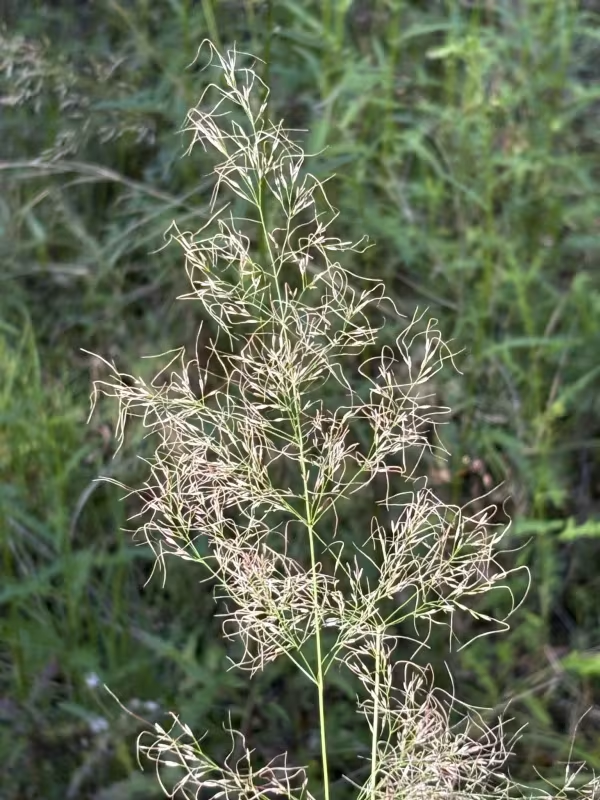
Austrostipa ramosissima is a distinctive perennial grass species belonging to the Poaceae family. Unlike many other species within the Stipa genus, this plant is characterized by its exceptionally tall, branched stems that can reach up to two meters in height, creating a unique visual impact in any landscape.
Native to eastern Australia, this plant has adapted to temperate climates and well-drained soil conditions. It thrives in sunny, open locations but maintains its aesthetic appeal even in partial shade, demonstrating a versatile nature that is highly valued by gardeners and landscape architects alike.
Successful cultivation requires soil with a neutral to slightly acidic pH level. The plant is notably drought-tolerant, making it an excellent candidate for water-wise gardens or dry landscaping, provided that the soil structure ensures adequate drainage and prevents long-term moisture accumulation.
Botanically, it forms dense tussocks with narrow, rigid leaves and delicate, airy panicles. The branching habit of its flowering stems is its most distinguishing feature, giving the plant a bushy and robust appearance that remains attractive throughout the growing season.
Regarding its utility, Austrostipa ramosissima is primarily used as an ornamental grass. Its height and structural beauty make it an excellent choice for focal points, vertical accents in flower borders, or naturalistic plantings where its architectural form can be fully appreciated.
Main diseases and pests
This grass species possesses strong natural resistance to many common fungal and bacterial diseases. The primary environmental threat is waterlogging; excessive moisture in the root zone can lead to root rot and other secondary infections, compromising the plant's health.
Pests are generally not a significant issue for Austrostipa ramosissima in outdoor settings. In specific cases, sap-sucking insects like aphids might appear during periods of intense drought, but these occurrences are rarely severe enough to require chemical intervention.
Preventive maintenance involves ensuring excellent air circulation around the plants and avoiding overcrowded plantings. Maintaining proper spacing is the most effective strategy to prevent powdery mildew and ensure the grass remains healthy and vigorous year after year.
Weed control is essential during the establishment phase, as the grass grows slowly at first. Keeping the surrounding area clear of invasive weeds helps the plant compete for nutrients and water, allowing it to establish a strong and deep root system in its initial years.
In regions experiencing harsh winters, protecting the base of the plant with mulch is recommended. This practice buffers the soil temperature, prevents deep freezing of the root zone, and promotes faster recovery once spring temperatures arrive.