
Rough speargrass
Austrostipa scabra
Description
Growing requirements
Rough speargrass (Austrostipa scabra) is a perennial grass species belonging to the Poaceae family, native to Australia. It is highly valued for its exceptional drought tolerance and ability to thrive in challenging semi-arid environments where other crops fail.
The plant forms dense, tussock-like structures with rough, bristly leaves. This morphology is an evolutionary adaptation that helps the grass minimize water loss, allowing it to maintain metabolic activity during extended periods of low rainfall.
Regarding soil requirements, Austrostipa scabra is not particularly demanding. It grows effectively in sandy, loamy, and even somewhat saline soils, provided that the substrate offers excellent drainage. It is rarely found in waterlogged or swampy conditions.
In its native range, the species is a crucial component of grazing lands. It provides stable forage cover and serves as an important tool for preventing soil erosion on slopes or landscapes disturbed by human activity or extreme weather.
The plant requires full sun exposure for optimal growth and development. It possesses a deep root system, which allows it to access subsoil moisture, making it an essential species for sustainable land management in arid climates.
Main diseases and pests
Fungal diseases, such as leaf rust, can affect the crop under conditions of high humidity or poor air circulation within the field. Maintaining proper spacing and avoiding excessive moisture retention are key preventative measures.
Various insect species, including aphids and leaf-chewing larvae, can pose a threat to the vegetative growth of the plant. Monitoring of population density is necessary to determine if intervention with organic or synthetic control agents is required.
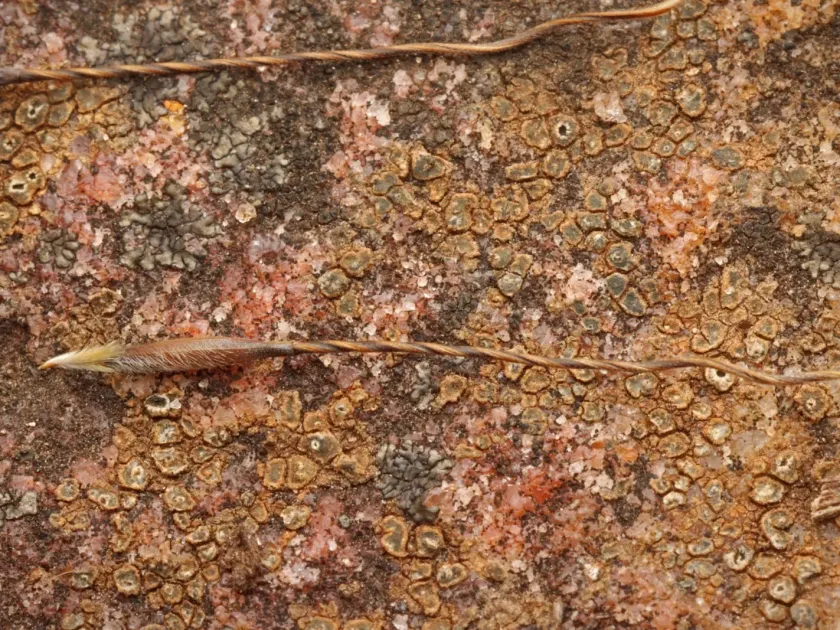
A significant agronomic challenge associated with Austrostipa scabra is the presence of sharp, pointed seeds (awns) at maturity. These can penetrate the hides and mouths of grazing livestock, leading to health issues and potential degradation of wool or skin quality.
Competition from invasive plant species is a constant threat to the stability of the crop. Without proper grazing management, secondary vegetation can easily overtake the native stands, leading to a decline in biodiversity and forage productivity.
To preserve the health and longevity of the stands, it is advised to implement rotational grazing and regular field health assessments. This helps to balance the forage extraction with the natural regeneration cycle of the grass.