
Austrostipa aristiglumis
Austrostipa aristiglumis
Description
Growing requirements
Austrostipa aristiglumis is a notable perennial grass species belonging to the Poaceae family. Native to Australia, this plant is widely recognized for its adaptation to heavy clay soils and its significant role in the biodiversity of native grasslands and managed pastoral systems.
The plant thrives in regions characterized by distinct seasonal variations. It is highly valued for its ability to persist in harsh soil conditions, including heavy clays that often become waterlogged or suffer from severe cracking during dry spells, showcasing its structural resilience.
Climatic requirements for this species are largely defined by its tolerance to arid and semi-arid conditions. It performs well under fluctuating temperatures, requiring minimal intervention once established. The species relies on its deep root system to access groundwater when surface soil layers are dry.
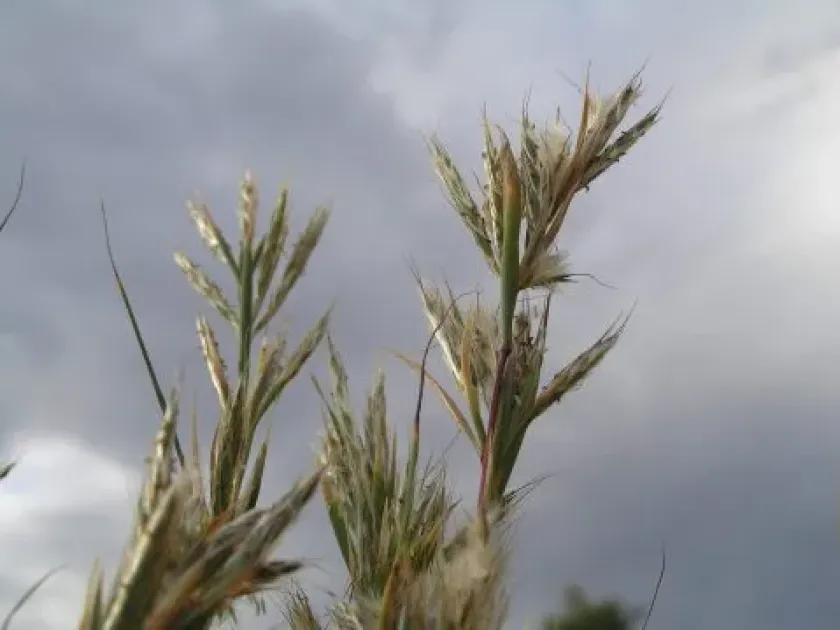
Botanically, Austrostipa aristiglumis is defined by its tussock-forming habit, which provides stability to the soil surface. The inflorescence consists of panicles with long, distinct awns that facilitate seed dispersal, ensuring the natural regeneration of the species in various ecosystems.
Economically, this grass is used primarily for sustainable pasture grazing. It provides reliable forage for livestock, demonstrating excellent regrowth potential after grazing pressure, which makes it a preferred choice for rehabilitating degraded pastoral lands in its native range.
Main diseases and pests
Like many native grasses, Austrostipa aristiglumis can be susceptible to various fungal pathogens when local humidity rises significantly. Managing these risks involves ensuring good air circulation and preventing excessive vegetation density that may harbor moisture and fungal spores.
Insect pests pose a threat to both leaf tissue and reproductive structures. During peak growth seasons, populations of grass-eating insects can increase, potentially reducing the biomass available for livestock grazing if not monitored and managed through proper timing of pasture rotation.
Weed encroachment represents a significant threat during the establishment phase of the plant. Aggressive invasive species can outcompete the young seedlings for light, water, and space, necessitating early interventions to ensure the survival and success of the native grass stand.
Overgrazing remains the primary management-related threat. If livestock remain in the same area for too long, the persistent damage to the crown of the plant can lead to reduced vigor, sparse coverage, and an increased susceptibility to secondary stresses, including soil erosion.
Environmental threats also include long-term changes in land use that fragment the habitat of the species. Maintaining the ecological integrity of the areas where this grass grows is essential to ensure that it continues to perform its vital function in soil stabilization and animal feed production.