
Austrostipa mollis
Austrostipa mollis
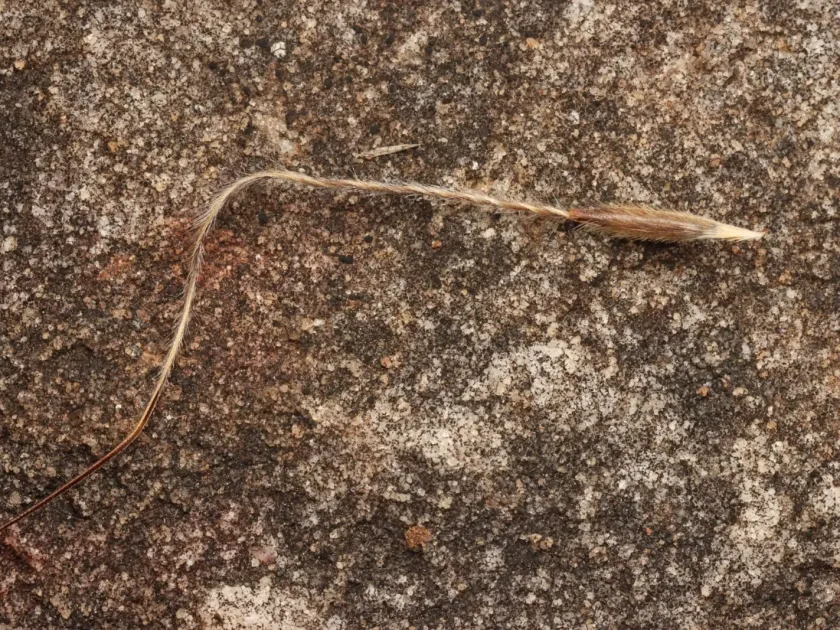
Description
Growing requirements
Austrostipa mollis is a species of perennial grass belonging to the Poaceae family. Native to Australia, this plant is well-adapted to the country's diverse and often challenging climatic conditions, thriving particularly well in temperate zones.
The plant exhibits remarkable drought tolerance, making it an essential component of natural grasslands. It prefers well-drained, sandy or light-textured soils where its deep root system can efficiently tap into subterranean moisture reserves.
Botanically, this grass forms dense tussocks, which provide significant soil stability. The leaves are typically narrow and tough, an adaptation designed to minimize transpiration losses during periods of heat stress.
Agrotechnical management of Austrostipa mollis focuses on sustainable grazing practices. Unlike intensive forage crops, it does not require significant fertilization, as it is specialized for nutrient-poor soil environments.
In terms of agricultural utility, it serves as a valuable forage source in extensive pastoral systems. It helps maintain ground cover and supports soil health by preventing erosion across vast arid landscapes.
Main diseases and pests
Overgrazing is the primary threat to the longevity of Austrostipa mollis stands. Intense browsing pressure prevents the grass from replenishing its carbohydrate reserves, leading to a decline in population.
Fungal pathogens associated with moisture stress can cause leaf blight, especially if drainage is insufficient in the specific micro-environment of the pasture.
Grasshoppers and other orthopteran insects represent common pests that can decimate the biomass of native grasses during the peak summer growth months.
Invasive non-native weeds often outcompete Austrostipa mollis, particularly in areas where the soil has been disturbed by human activity or excessive livestock movement.
Inappropriate frequency of prescribed burns can also interfere with the plant's life cycle, potentially hindering the germination of its seeds and the recruitment of new seedlings.