
Austrostipa setacea
Austrostipa setacea
Description
Growing requirements
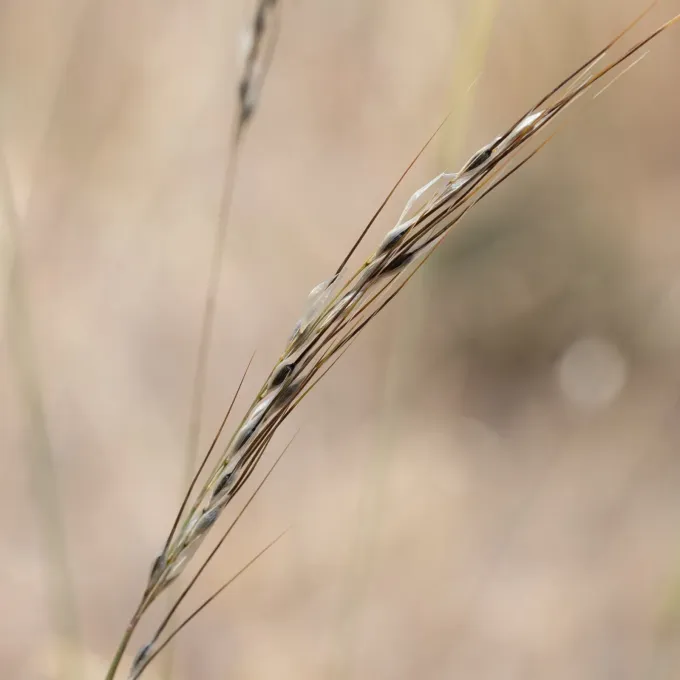
Austrostipa setacea, commonly known as corkscrew grass, is a perennial grass belonging to the Poaceae family. Native to Australia, this species is a critical component of arid and semi-arid grassland ecosystems, known for its resilience and adaptability.
The crop thrives in a variety of soil types, ranging from sandy loams to heavier clays, provided there is adequate drainage. It is highly valued for its ability to survive prolonged drought periods, which makes it an ideal candidate for revegetation projects in harsh environments.
Botanically, it is characterized by its tussock-forming habit and rigid, bristle-like leaves. The plant possesses a deep and extensive root system, allowing it to remain productive even when surface soil moisture is depleted by high temperatures.
In agricultural practice, this grass is utilized as a staple for grazing systems. It provides reliable forage in early spring, helping livestock producers maintain productivity during seasonal transitions when more sensitive species are dormant.
Sustainable management is vital, as the plant serves as a vital ecological anchor. It minimizes soil erosion and helps maintain the integrity of natural pastures by competing effectively against invasive weed species in fragile landscapes.
Main diseases and pests
Common biological threats include rust fungi, which may affect the leaves during humid intervals. In terms of insect pressure, grasshoppers and various species of lepidopteran larvae can impact biomass yields significantly if infestation thresholds are exceeded.