
Austrostipa semibarbata
Austrostipa semibarbata
Description
Growing requirements
Austrostipa semibarbata is a perennial grass belonging to the Poaceae family. It is widely recognized for its robust tussock-forming habit, which allows the plant to thrive in challenging environmental conditions across its native range.
Native to Australia, this species is well-adapted to a variety of climates, particularly arid and semi-arid regions. Its physiological mechanisms enable it to withstand extreme temperature fluctuations and survive prolonged periods of drought.
Regarding soil requirements, the species performs best in well-drained soils, including sandy loams. It shows a high tolerance for low nutrient levels, allowing it to colonize environments where many other forage grasses would struggle to survive.
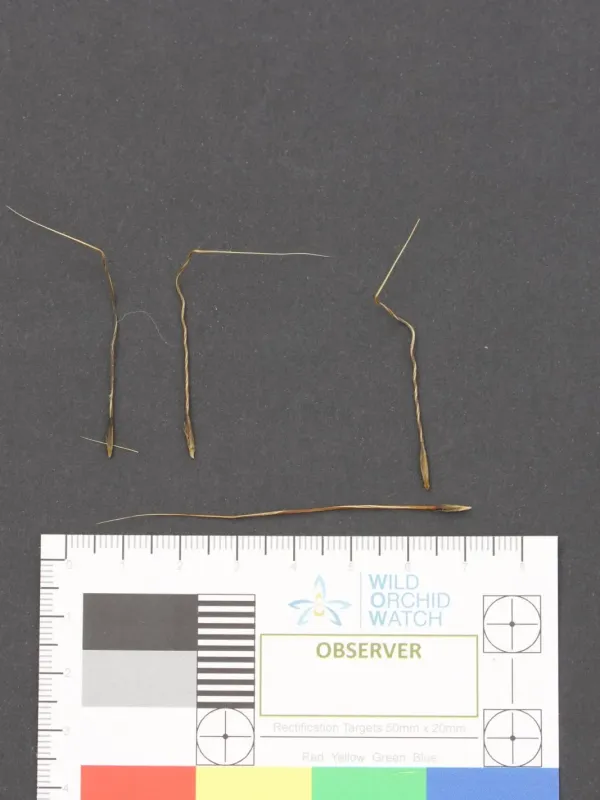
The botanical characteristics include sharp, awned seeds which are an evolutionary adaptation for dispersal. While these features are effective for colonization, they require careful management in agricultural settings to avoid physical harm to grazing livestock.
Agronomic management focuses primarily on the sustainable maintenance of native pastures. Implementing a grazing rotation system is essential to prevent overgrazing, which maintains the health of the tussocks and ensures long-term persistence.
Main diseases and pests
The primary threats to this grass include improper land management, specifically overgrazing, which depletes the plant's energy reserves. This eventually leads to a reduction in cover and increased susceptibility to erosion.
Pathogenic fungi represent a potential threat, especially during seasons with unusually high humidity levels. These diseases can impair the photosynthetic capacity of the leaves, weakening the overall structure of the grass tuft.
Insect pests that target seeds and stems can also impact the species' reproductive success. Monitoring pest populations is a standard practice in managing native rangelands to ensure the population remains stable.
Invasive weed species pose a significant competition threat, as they may outcompete native grasses for resources such as water and soil nutrients. Effective weed control is necessary to protect the biodiversity of the ecosystem.
Fire management is a complex issue; while some burning can stimulate seed germination, uncontrolled or too frequent fires can destroy the crown of the plant, potentially eliminating localized populations of this grass.