
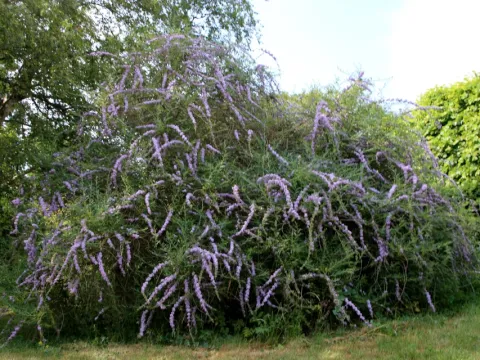
Atraphaxis
Atraphaxis
Atraphaxis is a genus of perennial shrubs belonging to the Polygonaceae family. These plants are scientifically recognized for their ability to thrive in extremely arid environments where most agricultural vegetation would perish.
What the section contains


Atraphaxis
Native to the dry regions of Eurasia, including Central Asia and the Caucasus, Atraphaxis species have evolved as true xerophytes. Their natural habitat consists of rocky slopes, saline plains, and semi-deserts, highlighting their suitability for land reclamation projects.
The crop requires well-drained soil and is exceptionally tolerant of calcareous, stony, and alkaline substrates. Its ability to extract moisture and nutrients from poor soils makes it an ideal candidate for restoring degraded pasture lands in dry climates.
Botanically, the plant features a dense branching system with small, leathery leaves that are adapted to minimize water loss. Its root system is deep and expansive, providing both structural stability against erosion and access to limited water resources.
Economically, Atraphaxis is valued primarily as a high-quality forage shrub for livestock such as sheep, goats, and camels in arid regions. It remains palatable and nutritious even during late summer when other forage plants have withered.
Atraphaxis species possess strong natural defenses, including high levels of tannins, which help them resist various herbivores and insects throughout the growing season.
Despite their robustness, they can be affected by specific phytophagous insects that target the Polygonaceae family. Regular field monitoring is recommended to prevent localized outbreaks of these pests.
Pathological issues like leaf spot or fungal blight generally only occur under adverse conditions, such as prolonged humidity or poor soil drainage, which contradicts the plant's natural preference for dry environments.
Root rot is the most significant threat if the crop is planted in heavy clay soils where water accumulates. Maintaining adequate drainage is the most effective management strategy for preserving plant health.
Biological and integrated pest management (IPM) techniques are effective when necessary, emphasizing environmental controls that prevent the conditions favoring fungal development and pest reproduction.