
Atraphaxis muschketowii
Atraphaxis muschketowii
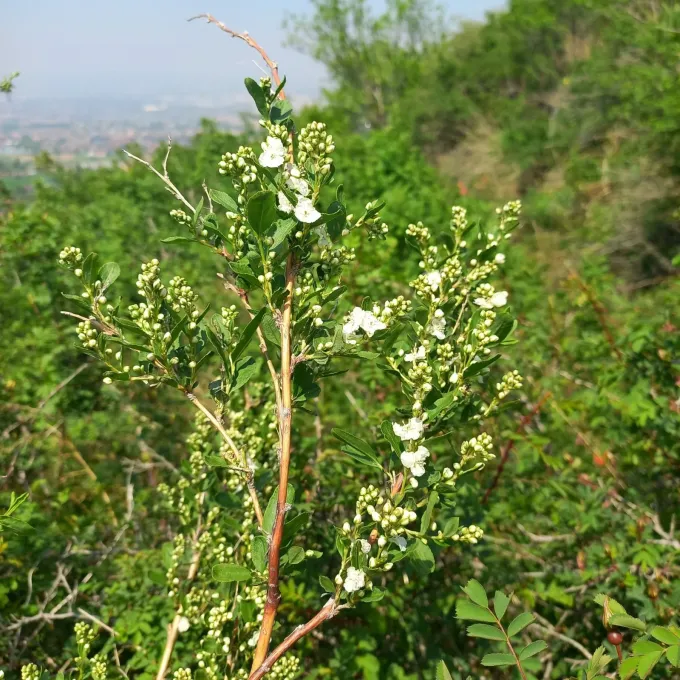
Description
Growing requirements
Atraphaxis muschketowii is a hardy perennial shrub belonging to the Polygonaceae family. It is recognized as a vital plant for arid and semi-arid regions due to its remarkable physiological adaptation to extreme climatic environments.
The crop thrives in harsh soil conditions, including gravelly, stony, and sandy substrates. Its deep root system allows it to access water deep within the soil profile, making it a highly resilient choice for lands where traditional agriculture fails.
Regarding climate, this shrub requires high solar radiation and excellent drainage. It is highly resistant to both freezing winter temperatures and intense summer heat, which is characteristic of the mountainous desert regions of Central Asia.
Agronomic practices for Atraphaxis muschketowii focus on establishing sustainable plant populations for land stabilization. The plant's ability to anchor soil on steep slopes makes it an essential tool for preventing erosion.
From an agricultural standpoint, it serves as a valuable forage crop, particularly for grazing livestock such as camels and sheep. It provides critical nutrition during the dormant season, significantly contributing to the sustainability of pastoral farming.
Main diseases and pests
Atraphaxis muschketowii is naturally robust, showing strong resistance to most common agricultural pathogens. Its evolution in harsh environments has selected for high survival rates even under high pest pressure.
However, young plantations can be susceptible to damage from various insects that target new shoots and vegetative buds. Monitoring the health of young seedlings is crucial during the first two seasons of growth.
Root system damage from rodents can occur in some regions, potentially destabilizing the shrubs. This is often managed through site selection and maintaining natural predator balances in the area.
Fungal diseases are generally non-existent in its natural habitat due to the low atmospheric humidity. In artificial irrigation setups, overwatering should be strictly avoided to prevent root and crown rot.
In terms of management, preventative care is prioritized over curative actions. Maintaining appropriate plant density is key to ensuring natural air circulation and preventing the buildup of potential pest populations.