
Atraphaxis spinosa
Atraphaxis spinosa
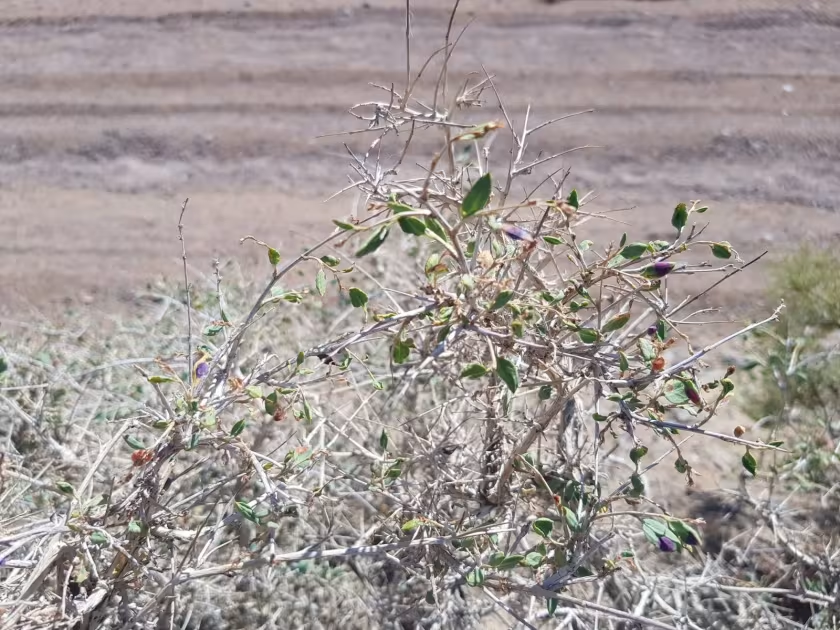
Description
Growing requirements
Atraphaxis spinosa is a hardy, multi-branched shrub belonging to the buckwheat family (Polygonaceae). This plant is highly evolved to survive in extreme environments characterized by sharp temperature fluctuations and water scarcity.
In its natural habitat, the plant grows on rocky, gravelly, and clay soils typical of semi-deserts and steppes. It possesses a robust root system, enabling it to access moisture from deep soil layers, making it a critical component of arid ecosystems.
The plant thrives in sunny locations with excellent drainage and is intolerant of waterlogging. Optimal growing conditions require high solar intensity and low air humidity, which naturally prevents the development of most fungal pathogens.
Successful cultivation requires attention to early development stages, as seedlings are not highly competitive against weeds. Despite a slow initial growth rate, the mature shrub becomes highly resilient and effective at combating soil erosion.
The agronomic management of this species involves minimal interference, as it is perfectly adapted to wild environments. For industrial usage, periodic clearing of aggressive weeds in the vicinity is recommended to facilitate shrub growth.
Yield
Atraphaxis spinosa is primarily valued as forage for camels, sheep, and goats in desert livestock farming regions. The shrub maintains its nutritional value even during prolonged dry seasons.
Biological productivity varies based on population density and annual precipitation levels. In natural pastures, it serves as a vital protein source, helping livestock maintain condition during periods of food scarcity.
Beyond forage, the plant is utilized for stabilizing shifting sands and preventing wind erosion. Its contribution to stabilizing topsoil in arid regions is essential for preserving land productivity and preventing desertification.
In ornamental landscaping, it is valued for its unique appearance, featuring thorny stems, small leaves, and showy white or pink flowers. It is an excellent choice for rock gardens and xeriscapes mimicking desert landscapes.
The medicinal potential of Atraphaxis spinosa is a subject of ongoing research. Preliminary data suggest the presence of flavonoids and other bioactive compounds, pointing toward potential future applications in the pharmaceutical industry.
Main diseases and pests
The primary threats to Atraphaxis spinosa populations include anthropogenic factors, particularly overgrazing and land degradation. The plant's woody stems are relatively brittle, making them sensitive to heavy mechanical impact or trampling.
The species has very few significant insect pests, as its thorns and specific chemical composition serve as natural deterrents against the majority of herbivores.
Diseases are infrequent, generally occurring only under conditions of unusually wet and cool summers. Under these circumstances, outbreaks of powdery mildew or leaf spot diseases are possible but rare in dry climates.
To prevent loss of yield, pasture management should prioritize sustainable grazing intensity. Overgrazing leads to thinning of the shrub canopy and reduces the plant's natural capacity to recover its vegetative mass.
Fire risk is a critical concern, as the dry, woody biomass of the shrub is highly flammable. Implementing firebreaks in areas where the species grows is a necessary measure for its protection and long-term conservation.