
Arrow-leaved tearthumb
Persicaria hastatosagittata
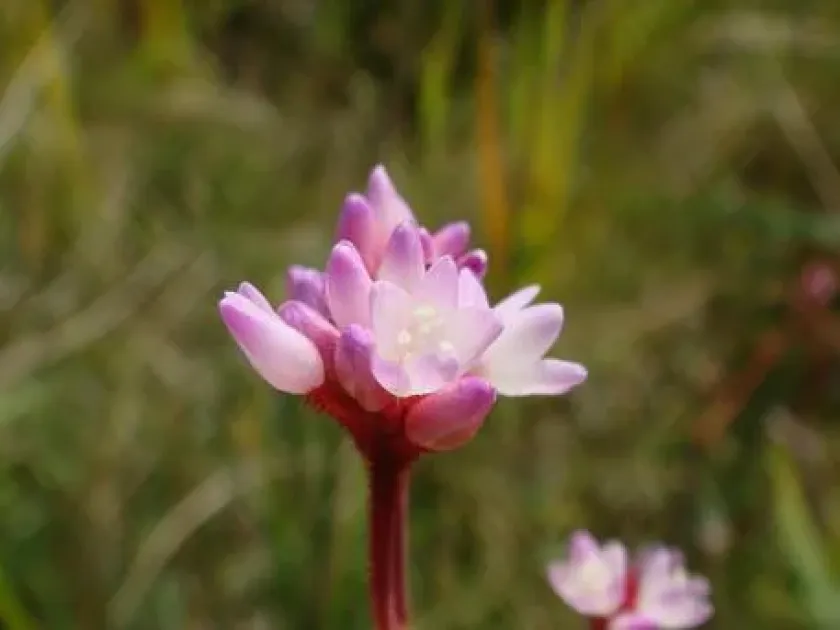
Description
Sowing dates
The sowing process for Persicaria hastatosagittata begins in early spring, once the soil has warmed sufficiently but retains the high moisture levels typical of wetlands. The seeds require consistent hydration to break dormancy and initiate growth.
Seeds are typically sown at a shallow depth of approximately 1-2 centimeters. Ensuring proper soil-to-seed contact is vital for germination, especially in open field conditions where environmental moisture can fluctuate rapidly.
For better control, growers may start the plant in greenhouse trays before transplanting. This practice allows for a more uniform stand and protects young, fragile seedlings from early spring environmental stressors or weed competition.
The ideal spacing for planting is about 30 centimeters between rows, which allows for optimal light penetration and airflow, reducing the risk of fungal diseases that thrive in damp, stagnant air.
Regular irrigation is essential during the establishment phase. Even though the plant is a wetland species, young seedlings are highly sensitive to even brief periods of desiccation, which can lead to seedling mortality.
Growing requirements
Persicaria hastatosagittata belongs to the Polygonaceae family and is a characteristic hygrophyte. It thrives in environments with high soil moisture, such as streambanks, marshes, and damp meadows, where water is readily available throughout the growing season.
The plant prefers rich, organic-heavy soils. Loamy or silty soils with a neutral pH provide the best foundation for rapid vegetative development. It is highly adaptable to wet conditions and can even tolerate short-term inundation.
Sunlight requirements are flexible, ranging from full sun to partial shade. While it can survive in shaded areas, the plant will show the most vigorous growth and dense foliage in locations where it receives direct sunlight for the majority of the day.
The plant is adapted to temperate climates with sufficient rainfall. It generally dislikes extreme heat accompanied by low humidity, as this disrupts the internal water balance of the plant and limits its overall biomass production.
- Soil type: Moist, nutrient-rich loams.
- Moisture: Needs constant dampness; tolerate standing water.
- Sunlight: Full sun to partial shade.
- Adaptability: High in wetland environments.
Main diseases and pests
In its natural habitat, Persicaria hastatosagittata is quite resilient. However, in agricultural cultivation, it may be susceptible to mildew and rust infections, particularly when plants are grown at high density in high-humidity areas.
Pests such as aphids are common, as they tend to congregate on the succulent stems and young leaves. In wet environments, slugs and snails can also cause significant damage by feeding on the tender foliage, especially early in the season.
Management strategies should focus on preventive measures, including maintaining proper plant spacing to ensure air circulation and removing crop debris that might harbor fungal pathogens or overwintering pests.
If chemical or biological intervention is necessary, it should be applied cautiously, keeping in mind the plant's typical proximity to water sources. Integrated Pest Management (IPM) practices are highly recommended for this crop.
Monitoring the plant regularly for early signs of infestation is crucial. Detecting pests like aphids early can prevent an outbreak that would otherwise severely weaken the stand and lower production quality.
Harvesting
Harvesting strategies for this crop vary depending on the intended use. For forage or biomass, the plants should be harvested just before the peak flowering stage to ensure the highest nutrient content in the tissues.
Cutting should be performed 5-10 centimeters above the soil level to facilitate potential regrowth. It is imperative to carry out the harvest under dry weather conditions to minimize post-harvest spoilage and fungal contamination.
Seed harvesting requires precision, as the seeds have a tendency to shatter or scatter as soon as they reach full maturity. Growers should monitor seed heads closely and harvest when they turn dark and begin to dry.
Post-harvest handling is critical for maintaining quality. The harvested material must be dried in a well-ventilated space, away from direct sunlight, to prevent fermentation or mold growth in the biomass.
The leftover crop residue can be incorporated into the soil as organic matter, which helps improve the fertility and structure of the soil for the subsequent planting cycle, provided the crop was free from significant disease.