
Atraphaxis frutescens
Atraphaxis frutescens
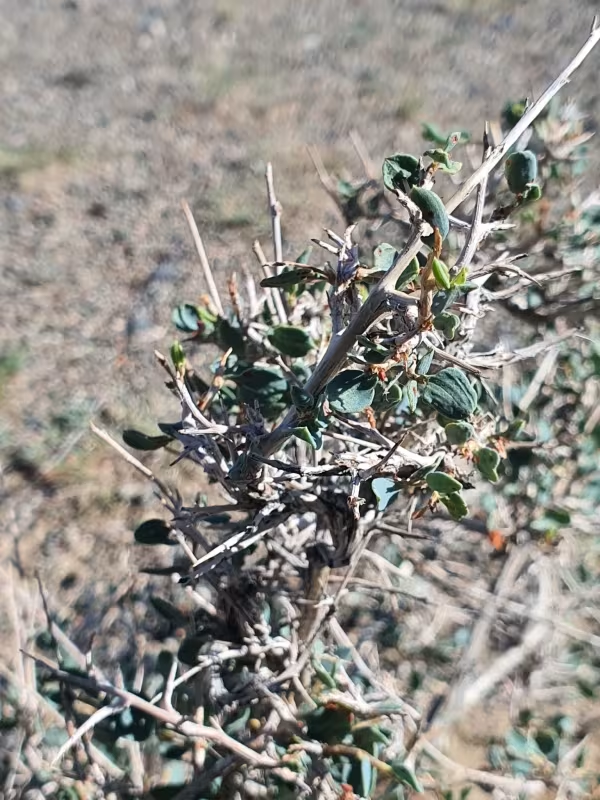
Description
Growing requirements
Atraphaxis frutescens is a perennial shrub belonging to the Polygonaceae family. It is a highly resilient species, specifically adapted to thrive in harsh environments such as semi-deserts and dry steppe regions.
The plant originates from the arid regions of Eurasia, including parts of Russia, Kazakhstan, and Central Asia. It typically occupies rocky slopes, chalk outcrops, and sandy areas, demonstrating an exceptional tolerance to high soil salinity and nutrient-poor substrates.
Agronomically, it is classified as a xerophyte, characterized by high light requirements. It thrives in well-drained, porous soils and is essentially independent of supplemental irrigation once the root system is established.
Botanically, it features a complex, branching stem structure reaching up to 1 meter in height. Its deep taproot system is essential for water uptake, allowing the shrub to maintain vitality during prolonged drought periods.
The plant is highly valued for environmental engineering, particularly for fixing shifting sands and controlling soil erosion. Additionally, it serves as a robust forage crop for camels and sheep and functions as a valuable honey plant during the arid summer months.
Main diseases and pests
Atraphaxis frutescens possesses high natural resistance to common agricultural pests and diseases. Due to its adaptation to harsh steppe conditions, it does not typically attract large populations of insect pests.
Potential threats include rare cases of infestation by leaf-chewing insects, although these rarely impact the overall health or survival of the shrub in its natural habitat.
Fungal pathogens such as mildew or root rots are primarily associated with improper soil management, specifically poor drainage, or areas with excessive water accumulation during humid seasons.
Overgrazing represents the most significant threat to the longevity of the plant. Repeated mechanical stress from livestock can weaken the structure and hinder the plant's natural regeneration processes.
Effective management strategies involve periodic monitoring of the canopy and ensuring that the grazing density does not exceed the biological recovery rate of the shrubs.