
Asyneuma
Asyneuma
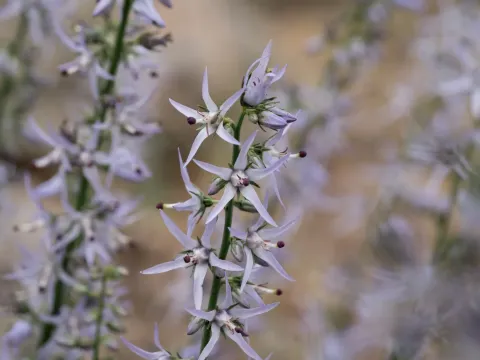
Asyneuma is a genus of perennial herbaceous plants within the Campanulaceae (bellflower) family. These plants are characterized by their distinct flowers, where the petals are divided nearly to the base, creating a star-like appearance that sets them apart from the traditional bell-shaped flowers of the family.
What the section contains


Asyneuma
Native to various temperate regions across Eurasia, including mountainous areas, these plants have evolved to thrive in environments with excellent drainage. In garden settings, they are best suited for rock gardens, alpine borders, and well-lit areas where they can receive plenty of sunlight.
The primary cultivation requirement is well-draining soil, ideally of a neutral or slightly alkaline pH. Asyneuma plants are sensitive to waterlogged conditions, which can lead to rapid root decay; therefore, a gritty or sandy substrate is highly recommended to mimic their natural habitat.
Agricultural management is relatively straightforward. These plants require minimal maintenance once established, focusing primarily on weeding and ensuring that the soil surface remains aerated. Deadheading spent blooms can encourage cleaner growth and extend the plant's overall longevity.
Asyneuma serves a primarily ornamental purpose in modern horticulture. Its aesthetic value lies in its clustered, delicate inflorescences, making it a favorite for gardeners looking for drought-tolerant, low-maintenance species that integrate well into naturalistic or xeriscape plantings.
The most significant threats to Asyneuma include fungal pathogens that manifest as crown or root rot. These issues are almost exclusively associated with improper site selection where soil drainage is inadequate, leading to prolonged moisture exposure that weakens the root system.
Pests, particularly slugs and snails, can cause considerable damage to the young foliage during the early stages of the growing season. Maintaining clear areas around the plants and utilizing mulches like crushed stone can act as physical deterrents against these nocturnal garden intruders.