
Asyneuma anthericoides
Asyneuma anthericoides
Description
Growing requirements
Asyneuma anthericoides is a perennial herbaceous plant belonging to the Campanulaceae family. While not a conventional agricultural crop, it is of great botanical interest due to its specialized habitat requirements and its status as a significant member of the high-altitude mountain flora.
The native distribution area of this species is primarily focused on the mountainous terrains of the Caucasus. It typically inhabits rocky slopes, limestone outcrops, and subalpine meadows, thriving in harsh environments where shallow, mineral-rich soils prevail.
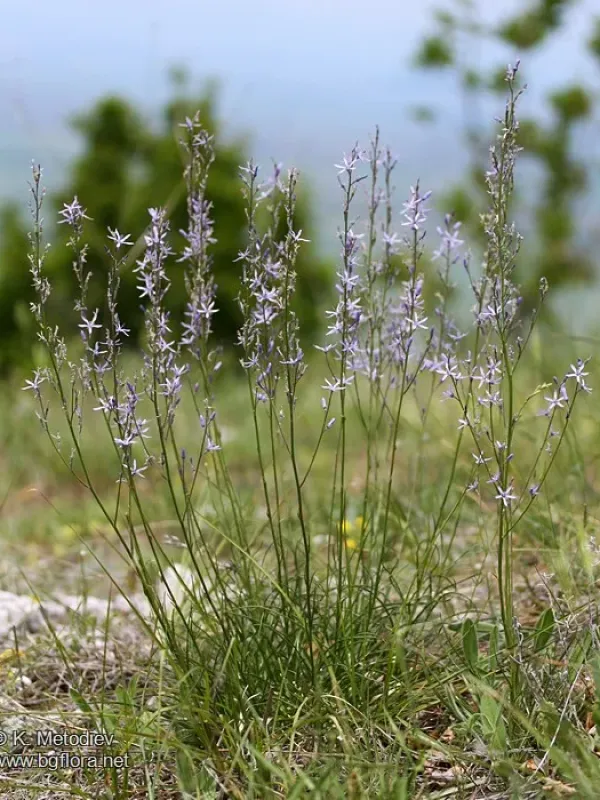
Botanically, it is characterized by an erect habit and narrow leaves that resemble those of the genus Anthericum, which inspired its specific epithet. The flowers, typical of the Asyneuma genus, are arranged in elegant inflorescences and exhibit a distinct, star-shaped appearance that sets them apart from common bellflowers.
In terms of environmental requirements, the plant demands excellent soil drainage and high solar radiation levels. It is particularly well-adapted to calcareous, slightly alkaline substrates. It does not tolerate prolonged soil saturation, which makes its survival dependent on the specific porosity of its native mountain soils.
The plant has no industrial agricultural use. However, it is occasionally grown in specialized rock gardens and botanical conservation centers. Its primary importance lies in its role in the local ecosystem, contributing to the biodiversity of high-elevation habitats and serving as a genetic resource for the Campanulaceae family.
Main diseases and pests
The primary threats to Asyneuma anthericoides populations include habitat fragmentation and human-induced environmental changes, such as overgrazing in high-mountain pastures. These activities lead to soil compaction and erosion, which directly affect the survival of young seedlings.
When grown in non-native conditions, the plant is susceptible to various root rot pathogens if the substrate does not mimic the drainage characteristics of its natural scree habitat. Common garden pests, including snails and slugs, are known to browse on the succulent vegetative tissues during the early growth stages.