
Asyneuma rigidum
Asyneuma rigidum
Description
Growing requirements
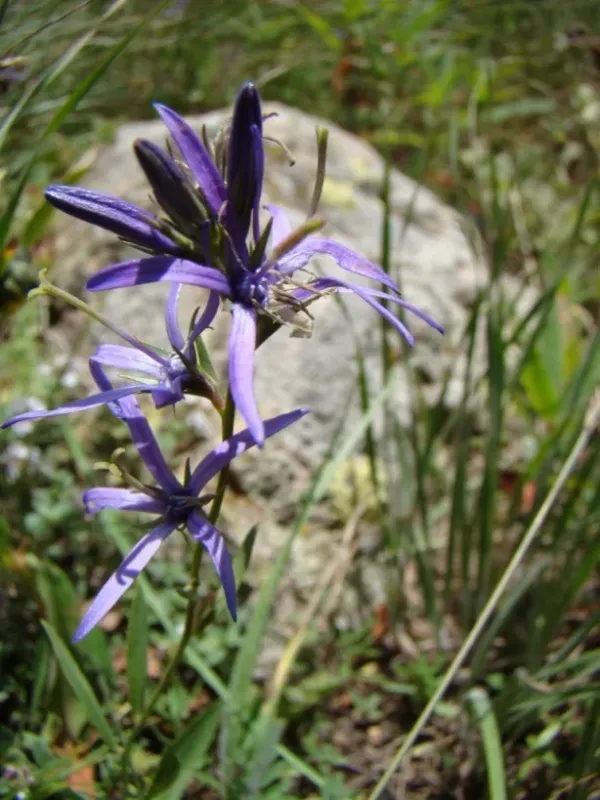
Asyneuma rigidum is a herbaceous perennial plant belonging to the Campanulaceae family. It is recognized for its rigid stems and small, cluster-arranged flowers that provide a unique texture to any planting scheme, reflecting its evolutionary adaptation to harsh environments.
Native to the mountainous regions of Western Asia, particularly Turkey, this species has adapted to rocky, well-drained slopes and limestone formations. Its natural habitat is characterized by poor soil fertility and high light exposure, which dictates its specific needs in an agricultural or gardening context.
Successful cultivation of Asyneuma rigidum requires full sun exposure and well-drained, neutral to slightly alkaline soil. Excessive moisture in the root zone is detrimental, making effective drainage a priority when incorporating this plant into garden beds or rock gardens.
The plant exhibits remarkable drought tolerance, allowing it to thrive in arid conditions where other species might struggle. However, it requires a consistent, warm growing season to fully reach its ornamental potential and successfully produce viable seeds.
In landscape design, Asyneuma rigidum serves as a refined choice for rockeries and naturalistic garden designs. Its architectural form and ability to withstand low-water conditions make it an excellent candidate for sustainable gardening practices that emphasize both beauty and resilience.
Main diseases and pests
Fungal diseases, specifically powdery mildew, may affect the foliage if plants are situated in areas with poor air circulation or consistently high humidity. Maintaining adequate spacing between specimens is the most effective preventative measure against such issues.
Slugs and snails present a notable threat to the juvenile foliage and stems during the early stages of growth. Applying a layer of grit or sharp gravel around the base of the plant acts as a physical barrier and helps to reduce the frequency of mollusk attacks.
Root rot is a significant risk if the soil remains waterlogged, particularly during dormant periods. Ensuring proper soil structure and preventing compaction are essential steps for maintaining the health and longevity of the root system.
Proactive management of the planting site, including regular weeding and removal of plant debris, minimizes the presence of pathogen reservoirs. This integrated approach helps maintain plant vigor without the frequent need for synthetic chemical treatments.
Monitoring the plants throughout the growing season allows for early intervention if pests or diseases are identified. Careful assessment ensures that any necessary interventions are localized, preserving the health of the entire collection or garden area.