
Asyneuma campanuloides
Asyneuma campanuloides
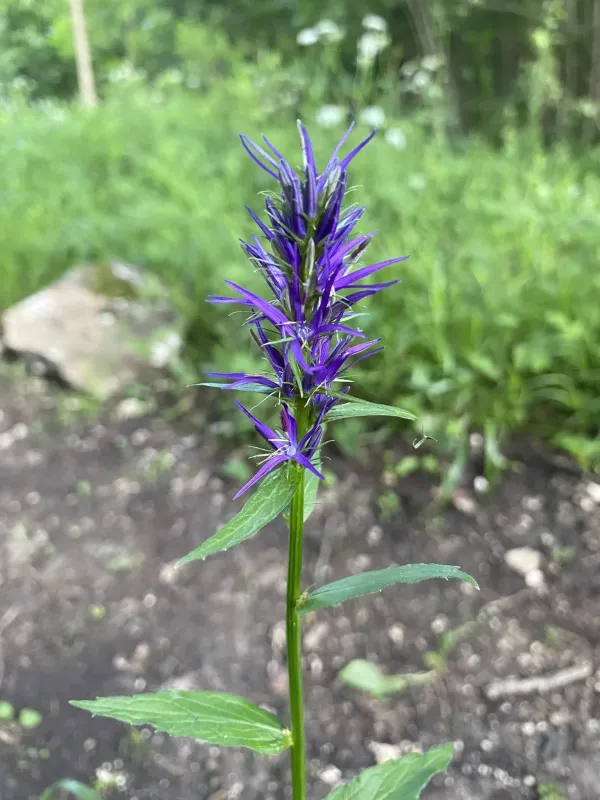
Description
Sowing dates
Asyneuma campanuloides is a fascinating perennial species belonging to the Campanulaceae family. Native to mountain regions, it is prized in horticulture for its unique bell-shaped flowers and elegant growth habit.
Propagating this plant from seed requires patience and attention to detail. The seeds are small and benefit significantly from a cold stratification period of several weeks to break dormancy effectively.
For optimal results, sow the seeds in light, well-draining soil mixes during autumn. Placing the containers in a cold frame or outdoors exposes them to the necessary temperature fluctuations for germination.
Seedlings emerge slowly and must be handled with care. Ensure that the soil moisture remains consistent; avoid drying out the substrate, as young plants are particularly sensitive to desiccation in their early stages.
Transplanting into the garden should occur only after the plants have developed a sturdy root system. Space them about 30 cm apart to allow for proper airflow, which is essential for healthy foliage development.
Growing requirements
This species thrives in sites that mimic its natural mountain habitat, favoring well-drained, porous soils. It is crucial to prevent waterlogging, which the plant cannot tolerate due to its susceptibility to root decay.
Asyneuma prefers bright, indirect light. While it can handle some sun, protection from intense midday heat is recommended, especially in warmer climates, to prevent leaf scorch and dehydration.
Watering should be managed carefully. While the plant is somewhat drought-tolerant once established, providing regular moisture during the peak growing season ensures more vigorous blooming.
Soil pH should be neutral to slightly alkaline. Incorporating inorganic materials like grit or coarse sand into the planting hole helps improve drainage and root aeration, mirroring natural alpine conditions.
Fertilizing should be conservative. Over-fertilization, especially with nitrogen, results in weak, spindly growth. A light application of balanced, low-nitrogen fertilizer during the spring is sufficient for development.
Main diseases and pests
Fungal issues such as powdery mildew are common in environments with poor air circulation or excessive humidity. Prompt removal of infected leaves and improved ventilation usually address the problem.
Root rot is the most serious threat, typically resulting from poor drainage or overwatering. If symptoms appear, the plant must be moved to a drier location or the soil structure must be corrected immediately.
Slugs and snails can cause significant damage to young shoots in the spring. Implementing manual control measures or using protective barriers around the base of the plant is highly effective.
Aphids occasionally infest the flower buds during dry spells. These pests can be managed with insecticidal soaps or by encouraging natural predators, such as ladybugs, in the garden ecosystem.
Good garden hygiene, including the removal of dead foliage and weeds, plays a critical role in preventing pest outbreaks and disease transmission throughout the growing season.