
Asyneuma canescens
Asyneuma canescens
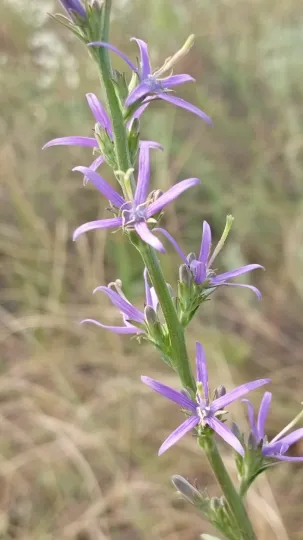
Description
Sowing dates
Asyneuma canescens is a member of the Campanulaceae family, characterized by its resilient nature. Successful propagation relies on the appropriate treatment of its small seeds to ensure high germination rates.
Sowing should ideally occur in late autumn, allowing the seeds to undergo natural stratification through winter cold. This timing mimics their native habitat cycle and results in vigorous spring growth.
For those opting for spring sowing, artificial stratification is required. Keeping seeds in a cold, moist environment for at least a month is necessary to break dormancy effectively.
The seeds must be surface-sown on fine, well-draining soil and pressed gently to maintain contact without covering them too deeply, as they require light to germinate.
Consistency in moisture levels is vital during the germination phase, as the delicate seedlings are highly susceptible to drying out before their root systems mature.
Growing requirements
The plant thrives in sites with excellent drainage, as its roots are prone to rot in waterlogged conditions. It prefers sandy or loamy soil textures with neutral pH levels.
Asyneuma canescens demands high light exposure to maintain its structural integrity. Partial shade may lead to etiolated stems that fail to support the dense flower spikes properly.
While the species is drought-tolerant, supplemental irrigation during prolonged dry spells enhances flowering intensity and keeps the foliage vibrant throughout the growing season.
Soil fertility can be managed with balanced, slow-release fertilizers applied in early spring. Avoid excessive nitrogen, which promotes lush leaf growth at the expense of flower development.
Spacing is essential; providing adequate airflow between plants reduces the risk of fungal infections, especially in humid or stagnant air conditions.
Main diseases and pests
Fungal pathogens such as root rot and stem decay are the primary threats, especially in areas with poor drainage or high humidity. Sanitation of the planting area is crucial for long-term health.
Gastropods, including slugs and snails, are significant pests that can devastate young populations. Implementing physical barriers like crushed shells or copper strips around planting zones is recommended.
Aphids can cause damage by colonizing the flowering stalks. Regular monitoring and the application of horticultural soaps are generally effective in managing these infestations.
Powdery mildew is a common concern if plants are crowded. If symptoms appear, removing affected foliage and improving ventilation often halts the spread of the fungus.
Root-knot nematodes can weaken the plant by attacking the root system, so ensuring healthy soil life and practicing crop rotation in garden beds are essential preventative measures.