
Asyneuma limonifolium
Asyneuma limonifolium
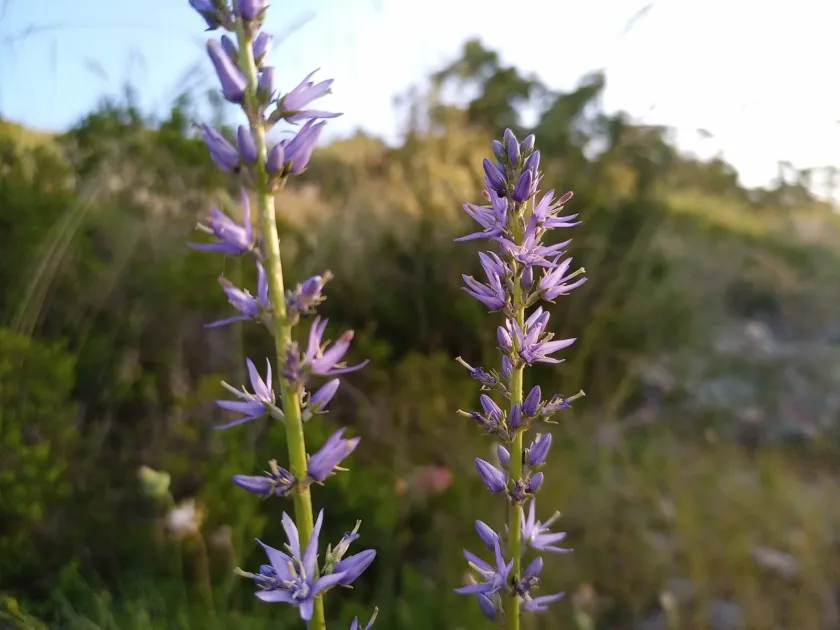
Description
Sowing dates
Sowing of Asyneuma limonifolium seeds is best performed in late autumn for winter sowing, allowing the seeds to undergo natural stratification in the soil.
For spring cultivation, seeds require a cold treatment period of 4 to 6 weeks at temperatures between 2 and 5 degrees Celsius to ensure uniform germination.
The seeds should be sown on the surface of a light, well-draining substrate and only very lightly covered with vermiculite or fine soil to ensure adequate light exposure.
Using nursery trays with a peat-based mix allows for better control over moisture and germination conditions during the initial stage of development.
Seedlings are typically ready for transplanting when they have developed two sets of true leaves, requiring careful handling of the delicate root system.
Growing requirements
Asyneuma limonifolium, a member of the Campanulaceae family, is an herbaceous perennial well-adapted to rocky, open environments in its native range.
The plant thrives in full sun and prefers well-drained, neutral to slightly alkaline soil conditions to prevent moisture-related root complications.
It demonstrates remarkable drought tolerance once established, making it a suitable candidate for rock gardens and xeriscaping projects in temperate climates.
Regular weeding is essential during the plant's first season to eliminate competition for nutrients and space, especially in crowded flower bed designs.
While the plant is hardy, it requires protection from excessive winter moisture, which is the primary cause of crown rot in this species.
Main diseases and pests
Root rot is the most significant threat to the health of Asyneuma limonifolium, particularly when the soil composition lacks sufficient drainage.
Fungal leaf spots may occur in environments with high humidity and poor air circulation, necessitating the removal of affected leaves and fungicide application.
Slugs and snails are major pests that target young, succulent foliage, especially during rainy spring weather, requiring protective measures.
Aphid infestations can occur during the blooming season, weakening the flower stalks and potentially impacting the quality of the seed crop.
Integrated pest management, including maintaining clean planting rows and avoiding excessive overhead irrigation, significantly reduces the risk of major outbreaks.
Harvesting
The primary utility of Asyneuma limonifolium is in horticultural applications, specifically as a decorative element in rock gardens and mountain-style landscapes.
Seed harvesting should occur when the capsules transition to a dark brown, dry state, usually occurring in late summer to early autumn.
After collection, the capsules must be thoroughly dried in a well-ventilated area before threshing to prevent the development of mold within the storage containers.
Commercial production focuses on providing high-quality seeds for specialty garden centers rather than mass-market agriculture or forage use.
In landscape management, the plant provides long-lasting blue or violet floral displays, making it a valuable addition to pollinator-friendly garden designs.